The ability to achieve the perfect brake shape is one of the most essential skills in modern metal fabrication. Whether creating sharp bends, smooth curves, or complex multi-angle forms, the brake shape process ensures that sheet metal can be transformed into durable, precise, and functional components. From automotive panels to architectural elements, brake shaping plays a crucial role in manufacturing, construction, aerospace, metal artistry, and countless custom fabrication projects.
Today, brake shaping is more advanced than ever, thanks to the development of manual, hydraulic, and CNC bending brakes. These machines give fabricators exceptional control over angles, dimensions, and forming operations. As a result, brake shaping has become one of the most reliable and widely used methods for producing accurate metal components across various industries.
Understanding Brake Shape in Metal Fabrication
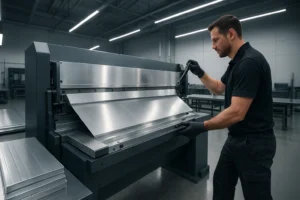
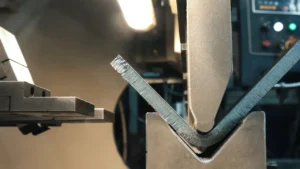
The concept of brake shape refers to the form or bend created in sheet metal using a bending brake. A bending brake is a machine that clamps the metal securely, then applies a controlled force along a straight axis. This force bends the metal to a predetermined angle or shape. The brake shape technique offers the ability to create:- Sharp 90° bends
- Gradual curves
- Box or channel shapes
- U-shapes and Z-shapes
- Multiple sequential bends
- Decorative or structural forms
How Brake Shaping Works
The brake shaping process begins with securely clamping a sheet of metal onto a bending brake. Once fixed in place, the machine’s bending leaf—or hydraulic ram, depending on the brake type—applies downward or upward pressure. This pressure forces the metal to bend exactly at the desired point. Several factors influence the final brake shape:1. Metal Thickness
Thicker metals require more force and may call for hydraulic or CNC brakes. Thinner sheets can be shaped with manual brakes.2. Bend Radius
The bend radius affects the strength and appearance of the final product. A tighter radius creates sharper bends, while wider radii produce smoother curves.3. Bend Angle
Angles can vary from small degrees up to 120° or more, depending on design requirements.4. Material Type
Different metals such as aluminum, stainless steel, copper, and mild steel bend differently and require specific brake settings. By analyzing these factors before bending, fabricators can create brake shapes that meet the exact specifications of the project.Types of Bending Brakes Used for Brake Shapes
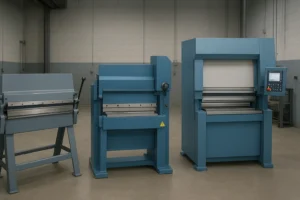
Modern fabrication shops use a variety of bending brakes to achieve different brake shapes. Each type offers unique advantages depending on the project scale and complexity.1. Manual Bending Brake
Manual brakes are hand-operated machines commonly used for:- Light sheet metal
- Small projects
- Basic bends
- One-off or custom fabrication
2. Hydraulic Bending Brake
Hydraulic brakes use hydraulic power for greater bending force. They are ideal for:- Thick sheets
- Structural components
- Heavy-duty projects
- Repetitive bends
3. CNC Bending Brake
CNC (Computer Numerical Control) brakes represent the most advanced technology in brake shaping. These machines provide:- Exceptional precision
- Automated control
- Complex multi-bend shapes
- High-volume production capability
Benefits of Brake Shape in Metalworking
Achieving the perfect brake shape offers numerous benefits that improve product quality, reduce costs, and enhance fabrication efficiency.1. High Precision and Accuracy
The brake shape process allows for extremely accurate bends with controlled angles and consistent dimensions. This precision is vital in industries where even a small deviation can compromise safety or functionality.2. Versatility Across Applications
Brake shaping works with a variety of metals including:- Aluminum
- Stainless steel
- Carbon steel
- Copper
- Brass
- Galvanized sheets
3. Cost-Effective Fabrication
Brake shaping minimizes waste by producing clean, accurate bends without the need for additional machining. It also reduces the need for specialized dies or molds, lowering overall production costs.4. Consistent Results in High-Volume Production
CNC bending brakes can produce hundreds or thousands of identical brake shapes. This repeatability ensures uniformity across large projects—a major advantage for manufacturers.5. Design Flexibility
Brake shaping allows fabricators to create both simple and advanced geometries. This flexibility supports creative design while maintaining structural integrity.Applications of Brake Shape in Various Industries
The ability to create accurate brake shapes is essential in numerous industries where functionality, durability, and aesthetic appeal matter.Automotive Industry
Brake shaping is used to form:- Body panels
- Brackets and supports
- Chassis components
- Battery enclosures
- Mechanized housings
Construction and Architecture
Fabricators use brake shaping to create:- Roofing panels
- Flashing
- Gutters and downspouts
- Siding
- Custom architectural features
Aerospace and Aviation
In aerospace, brake shaping is used to craft:- Lightweight structural parts
- Durable enclosures
- High-precision components
Furniture and Interior Fixtures
Brake shapes are common in:- Metal furniture frames
- Decorative elements
- Fixtures and supports
- Custom artistic metalwork
General Fabrication and Manufacturing
Brake shaping is found in nearly every fabrication shop, where it is used for:- Electrical enclosures
- Machine guards
- Cabinets
- Industrial equipment housing
- Prototypes and mass-production parts
Brake Shape vs. Other Metal Forming Techniques
Brake shaping differs significantly from metal forming methods like rolling, stamping, or forging. Each method has unique advantages, but brake shaping stands out for several reasons:- Lower tooling costs – stamping requires expensive dies
- Better customization – brake shaping allows on-demand bending
- Faster setup times – ideal for custom or short-run projects
- Greater control – bends are precise and controlled manually or digitally