Metal fabrication involves many intricate processes, but few are as fundamental to assembly as tapping. Whether you are manufacturing heavy machinery or assembling delicate electronics, the ability to create secure, threaded connections is essential.
Tapping is the process of cutting or forming threads inside a hole so that a screw or bolt can be threaded into it. While it sounds simple in theory, mastering this technique requires understanding material science, tool geometry, and precise mechanical execution.
This guide explores everything you need to know about metal tapping—from how the process works and the tools required, to common troubleshooting tips and industrial applications.
What Is Metal Tapping?
Metal tapping is a machining process used to create internal threads within a pre-drilled hole. The tool used to create these threads is called a “tap.”
The primary purpose of tapping is to allow for the use of threaded fasteners like bolts and screws. Without tapping, you would need to use a nut on the other side of a workpiece to secure a bolt. Tapping allows the fastener to screw directly into the metal component itself, creating a cleaner, more compact assembly.
It is important to distinguish between drilling and tapping, as they are often confused.
- Drilling is the process of making a round hole in a solid material.
- Tapping is the subsequent process of creating threads inside that hole.
In short: you must drill before you tap.
How the Metal Tapping Process Works
Achieving a clean, strong thread requires following a specific sequence of steps. Rushing this process or skipping steps often leads to broken tools or stripped threads.
1. Preparing the pilot hole
Every tap requires a specific hole size, known as the “tap drill size.” If the hole is too small, the tap will bind and break. If it is too large, the threads will be shallow and weak.
2. Selecting the correct tap
You must choose a tap that matches the desired thread size (e.g., M8 or 1/4-20) and is appropriate for the material you are working with. Harder metals require different tap geometries than softer metals like aluminum.
3. Applying cutting fluids
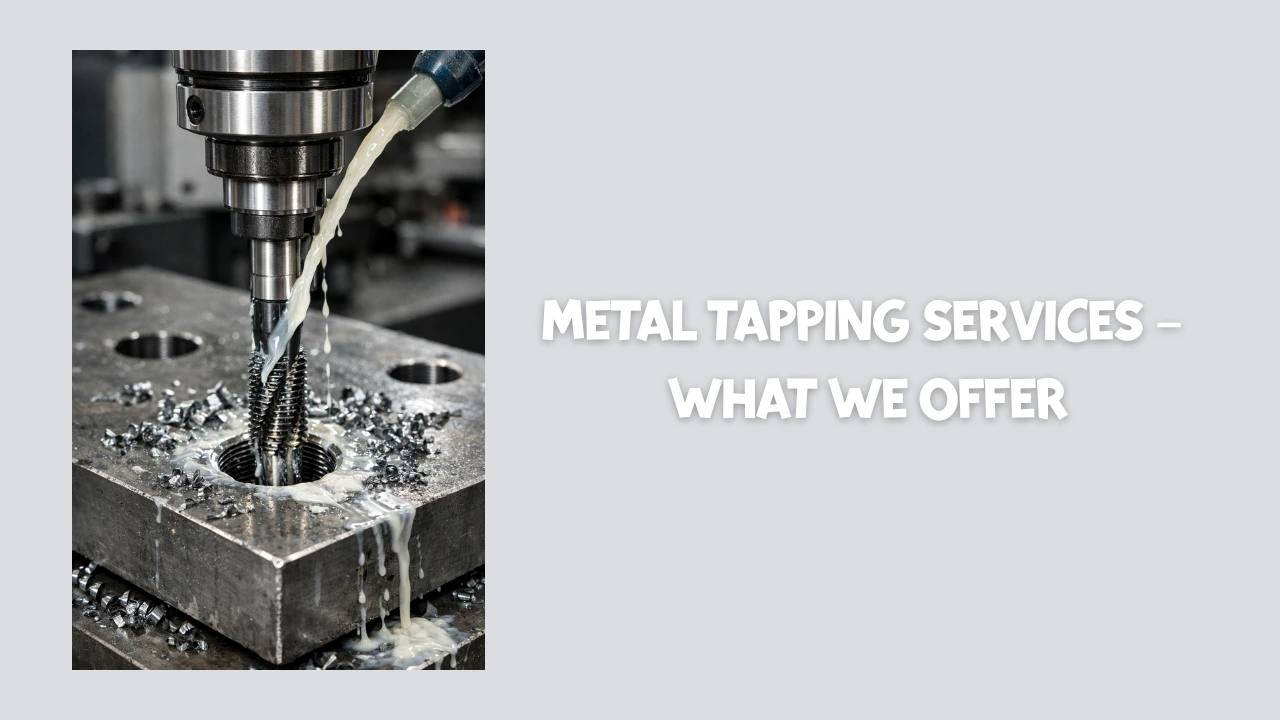
Lubrication is critical. Cutting fluids reduce friction, dissipate heat, and help clear chips (metal shavings) away from the cutting edges. Tapping dry is a leading cause of tool failure.
4. Tapping the hole
The tap is inserted into the pilot hole and rotated. This can be done manually with a T-handle wrench or automatically using a machine. As the tap turns, its cutting edges carve the thread profile into the hole walls.
5. Inspecting thread quality
Once the process is complete, the threads are checked using a thread gauge to ensure they meet the required tolerance and fit.
Types of Metal Tapping

There are several methods for tapping holes, ranging from manual work to high-speed automation.
Hand tapping
This is the traditional method, performed manually using a tap wrench. It is slow and requires a skilled hand to keep the tap perpendicular to the surface. It is mostly used for maintenance, repairs, or low-volume work.
Machine tapping
Machine tapping uses a drill press, lathe, or milling machine to drive the tap. This offers better alignment and consistency than hand tapping but still requires operator oversight.
CNC metal tapping
In modern manufacturing, Computer Numerical Control (CNC) machines handle the tapping process. These machines are programmed to tap holes at high speeds with incredible precision, making them ideal for mass production.
Cut tapping vs form tapping
- Cut Tapping: The traditional method where material is removed (cut away) to create the thread.
- Form Tapping (Roll Tapping): A chipless process where the tap displaces the metal to form the thread shape rather than cutting it. This creates stronger threads but is generally limited to ductile materials like aluminum and brass.
Metal Tapping Tools and Equipment
The specific tool used depends on the hole type (blind vs. through) and the machine being used.
Hand taps
Usually sold in sets of three: taper, plug, and bottoming. Taper taps start the thread easily, while bottoming taps are used to thread all the way to the bottom of a blind hole.
Spiral point taps
Often called “gun taps,” these push chips forward ahead of the tool. They are excellent for through-holes (holes that go all the way through the material).
Spiral flute taps
These look similar to twist drills. The spiral flutes pull chips up and out of the hole, making them the best choice for blind holes (holes that do not go all the way through) to prevent chip packing.
Tapping machines and CNC centers
Specialized tapping arms and CNC machining centers use rigid tapping cycles to synchronize the spindle rotation with the feed rate, ensuring perfect thread pitch without damaging the part.
Materials Suitable for Metal Tapping
Almost any metal can be tapped, provided the correct tool and speed are used.
- Steel: Requires high-quality High-Speed Steel (HSS) or cobalt taps and plenty of cutting oil.
- Stainless Steel: Known for work-hardening, stainless steel requires sharp tools and specific tapping fluids to prevent seizing.
- Aluminum: Soft and ductile, aluminum taps easily but can be “gummy.” Form taps work exceptionally well here.
- Brass: A free-machining material that produces small, brittle chips. It is very easy to tap.
- Copper: Similar to aluminum but can be tougher; requires sharp cutting edges.
- Cast Iron: Produces powder rather than chips. It is abrasive on tools but generally machines well.
Common Metal Tapping Problems and Solutions
Even experienced machinists encounter issues during tapping. Here are common problems and how to fix them.
Tap Breakage
This is the most common and frustrating issue. It is usually caused by using a pilot hole that is too small, a dull tap, or insufficient lubrication. Ensure you are using the correct drill chart and plenty of fluid.
Poor Thread Finish
Rough or torn threads often result from tapping too fast or using the wrong cutting fluid. Slowing down the spindle speed usually improves the finish.
Chip Clogging
If chips pack into the flutes, the tap will bind. For blind holes, switch to a spiral flute tap that pulls chips out of the hole.
Incorrect Hole Size
If the finished threaded hole is too loose, the tap may be running out of alignment (wobbling) or creating a “bell-mouth” at the entry. Using a rigid holder or a guide can solve this.
Metal Tapping Tolerances and Thread Standards
Threads must follow strict standards to ensure parts are interchangeable.
- Metric Threads (ISO): Designated by “M” followed by the diameter and pitch (e.g., M6 x 1.0). This is the global standard for most machinery.
- UNC / UNF Threads: Unified National Coarse and Fine. These are the standard imperial measurements used largely in the United States (e.g., 1/4-20 UNC).
- Thread Class: Threads are made to different “classes” of fit (e.g., 2B or 6H). This determines how tight or loose the screw will feel inside the hole. High-precision applications usually require tighter tolerances.
Industrial Applications of Metal Tapping
Tapping is ubiquitous across manufacturing sectors.
Automotive industry
Engines, transmissions, and chassis components rely on tapped holes for assembly. A single car engine block contains dozens of tapped holes for head bolts, oil pans, and accessories.
Machinery manufacturing
Industrial machines are bolted together using tapped holes in heavy plates and castings. This allows for disassembly for maintenance, which would be impossible if parts were welded.
Aerospace
In aerospace, precision is paramount. Tapping is used for airframe assembly and engine components, often using exotic materials like titanium that require specialized tapping processes.
Metal fabrication
From custom enclosures to structural brackets, metal fabrication shops use tapping daily to prepare parts for final assembly.
Metal Tapping Services – What We Offer
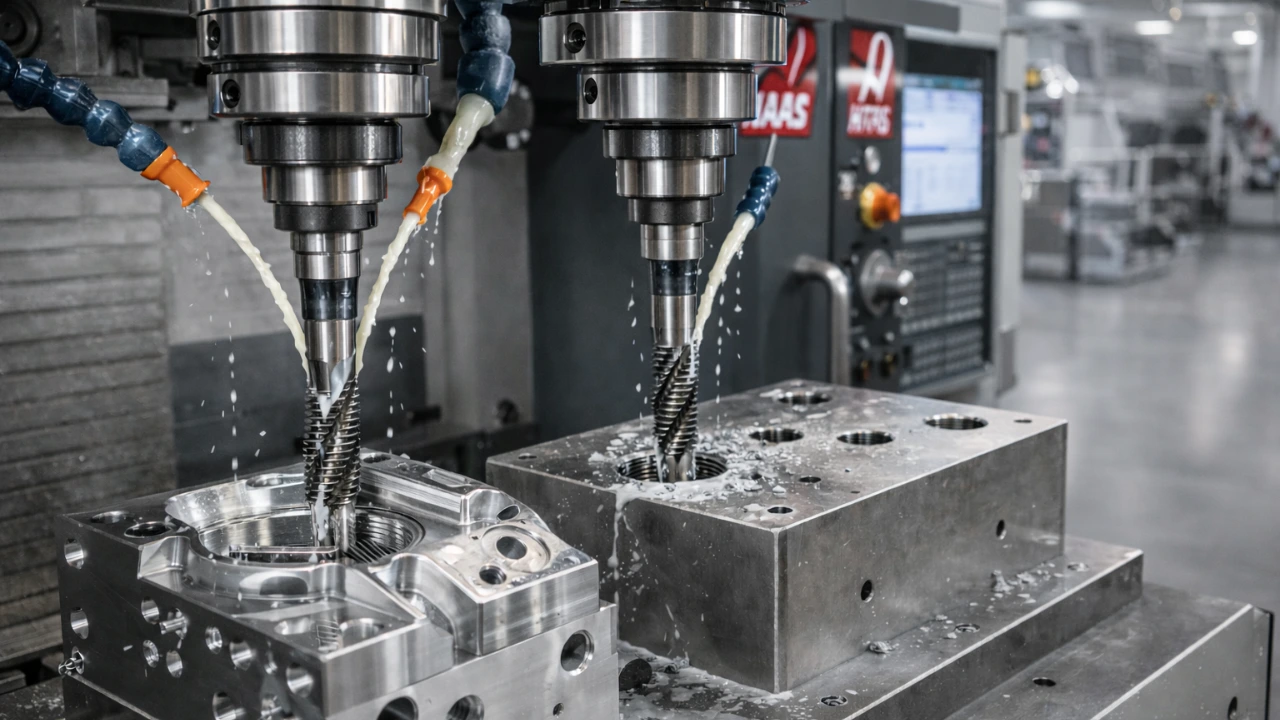
We provide comprehensive metal tapping solutions tailored to your project requirements. Whether you need a single prototype or a run of thousands of parts, our facility is equipped to handle the job.
- Capabilities: We offer both manual tapping for intricate custom work and automated CNC tapping for high-volume production.
- Materials: We process a wide range of metals, from standard mild steel and aluminum to difficult alloys like stainless steel and titanium.
- Range: We handle thread sizes ranging from micro-taps for electronics to large-diameter structural threads.
- Quality Control: Every batch undergoes rigorous inspection using calibrated thread gauges to ensure compliance with ISO and ANSI standards.
Who Needs Metal Tapping Services?
Outsourcing tapping services is often more efficient than handling it in-house, especially for specialised threads. Our clients typically include:
- OEMs (Original Equipment Manufacturers): Companies that need ready-to-assemble components delivered to their production lines.
- Fabrication Shops: Laser cutting or bending shops that need to add value to their parts before shipping to the customer.
- Automotive Suppliers: Tier 1 and Tier 2 suppliers requiring high-volume, defect-free threaded parts.
- Industrial Equipment Manufacturers: Businesses building heavy machinery that requires robust, precise connection points.
Why Choose Toledofab for Metal Tapping Services
Choosing the right partner ensures your assembly lines keep moving without interruptions caused by poor thread quality.
- Experienced Team: Our machinists understand the nuances of different materials and how to prevent tool breakage and thread failure.
- Precision and Accuracy: We adhere to strict tolerance standards, ensuring your fasteners fit perfectly every time.
- Modern Equipment: Our investment in CNC technology allows us to offer consistent quality at competitive speeds.
- Fast Turnaround: We understand that production delays are costly. We are committed to meeting your deadlines.
Secure Your Assembly with Professional Tapping
Metal tapping is a critical step in the manufacturing chain. A failed thread can mean a scrapped part or, worse, a product failure in the field. By understanding the process and utilizing professional services, you ensure the integrity and longevity of your products.
If you are looking for reliable, high-precision metal tapping services, we are here to help. Contact us today to discuss your project requirements or request a quote.