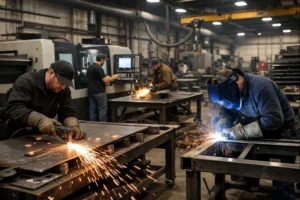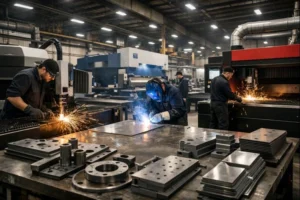
In today’s fast-paced industrial landscape, Precision Tools are indispensable for achieving accuracy, reliability, and efficiency in manufacturing processes. From machining components to high-accuracy measuring devices, Precision Tools are engineered to deliver results that traditional tools simply cannot match. Across industries such as automotive, aerospace, construction, electronics, and medical devices, these specialized instruments have become the backbone of quality-driven production.
What Are Precision Tools?
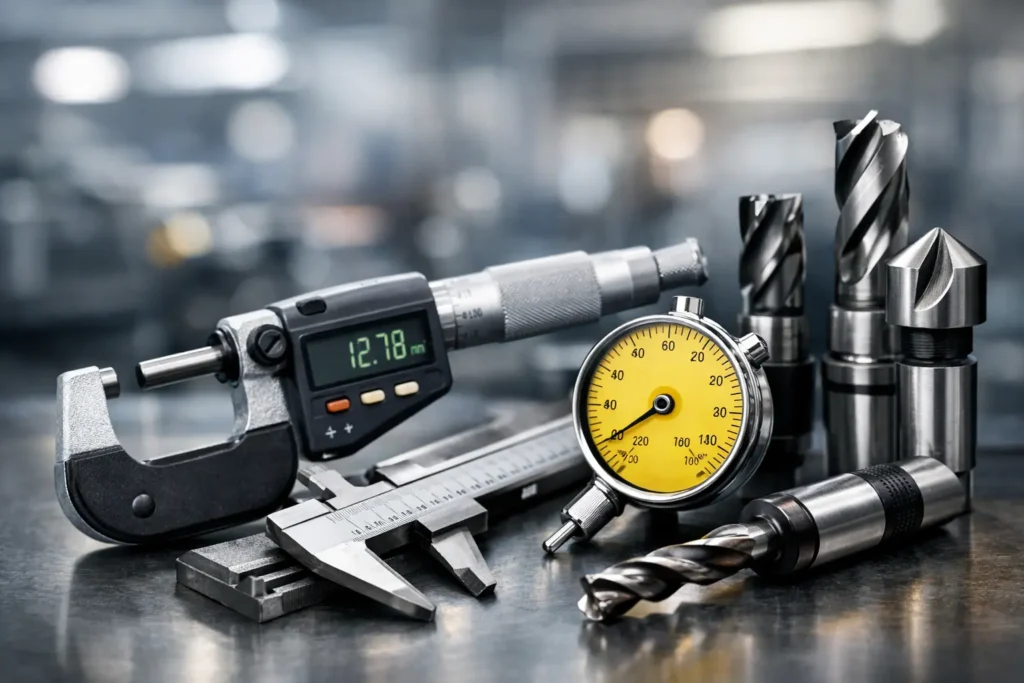
Precision Tools refer to specialized equipment and instruments designed to measure, cut, shape, or assemble components with extreme accuracy. These tools are essential for maintaining tight tolerances, ensuring that every part fits perfectly in its intended assembly. By minimizing errors, Precision Tools help manufacturers produce consistent, high-quality products while saving time and resources.
Common Precision Tools include:
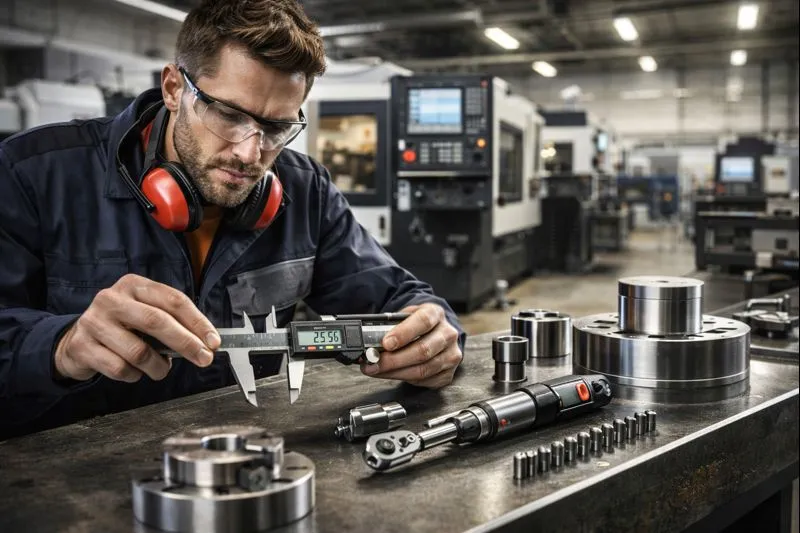
Measuring tools such as calipers, micrometers, and dial indicators.
Cutting tools like high-precision drills, milling cutters, and saws.
Assembly tools, including torque wrenches and fastening devices.
CNC and automated machinery, integrating Precision Tools for large-scale, high-accuracy production.
Key Benefits of Precision Tools
Unmatched Accuracy
Precision Tools provide highly accurate measurements and flawless results. This precision is critical in industries where even small errors can affect product quality or safety.
Enhanced Productivity
By minimizing mistakes, Precision Tools help manufacturers save time and materials, allowing faster production cycles without compromising quality.
Consistency Across Products
Using Precision Tools ensures that every product maintains uniform quality, which strengthens brand reliability and builds customer trust.
Cost Efficiency
Fewer errors lead to reduced material waste and lower production costs. Investing in Precision Tools is a cost-effective strategy for long-term operational savings.
Versatility Across Industries
Precision Tools are adaptable and widely used in metalworking, electronics, automotive, and medical device manufacturing, delivering high-quality results across industries.
Applications of Precision Tools
Automotive Industry: Precision Tools are crucial for assembling engine parts, gears, and safety-critical components with exact tolerances.
Aerospace: Aircraft manufacturing requires lightweight, durable, and precise parts, all achievable through high-performance Precision Tools.
Construction: Accurate measurements and reliable structural components depend on Precision Tools, ensuring safety and stability in projects.
Electronics: Miniature circuits and devices demand the pinpoint accuracy of Precision Tools for proper assembly and functionality.
Medical Devices: The healthcare industry relies on Precision Tools to manufacture surgical instruments and medical equipment that meet strict safety and quality standards.
Types of Precision Tools
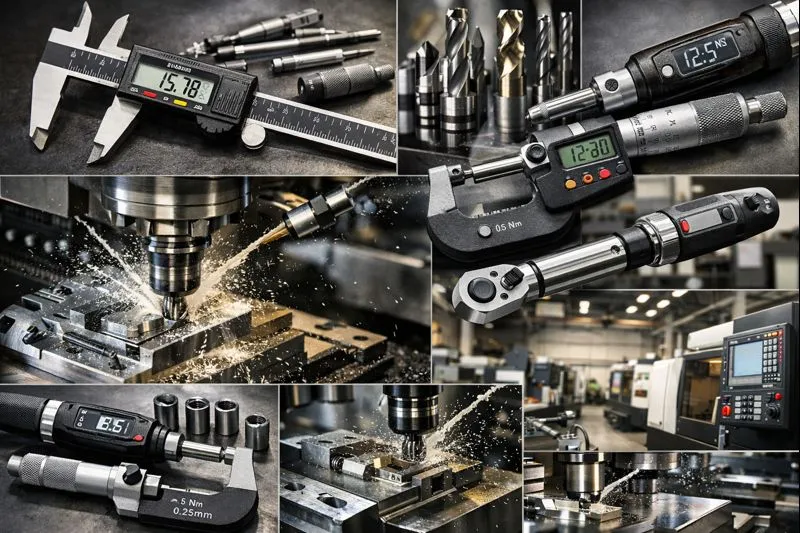
Measuring Tools: Calipers, micrometers, and dial indicators ensure exact measurements.
Cutting Tools: High-precision drills, saws, and milling cutters enable flawless machining.
Assembly Tools: Torque wrenches and specialized fastening devices secure components reliably.
CNC and Automated Tools: Computer-controlled machines use Precision Tools to achieve mass production without sacrificing accuracy.
Why Precision Tools Matter
Unlike conventional equipment, Precision Tools deliver a level of accuracy that significantly reduces errors and enhances overall product quality. In industries where safety, reliability, and performance cannot be compromised, these tools are essential. By incorporating Precision Tools into manufacturing workflows, businesses gain efficiency, maintain consistency, and produce products that stand the test of time.
Moreover, the adoption of Precision Tools supports innovation. Advanced machinery, including CNC and automated systems, relies on precision instruments to achieve intricate designs and high standards of quality. This makes Precision Tools not just a necessity for traditional manufacturing but a driver of technological progress in modern industries.
Summary
In summary, Precision Tools are more than just instruments—they are critical enablers of modern manufacturing. By ensuring accuracy, boosting efficiency, and maintaining consistent product quality, these tools have become indispensable across industries. From automotive to aerospace, electronics to medical devices, Precision Tools empower manufacturers to meet exacting standards, reduce errors, save costs, and deliver superior results. Investing in high-quality Precision Tools is a strategic choice that ensures long-term success and competitiveness in today’s demanding industrial environment.