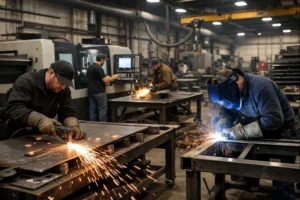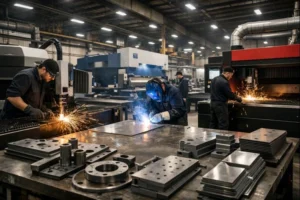
From aerospace engineering to deep-sea oil drilling, modern manufacturing pushes materials to their absolute limits. Components used in these sectors must withstand extreme heat, intense pressure, and corrosive environments without failing. But creating durable parts is only half the battle. To ensure safety, compliance, and efficiency, these parts also need to be identifiable—permanently.
This is where metal marking comes into play. It’s the unsung hero of industrial traceability, ensuring that every bolt, flange, and turbine blade can be tracked from production to retirement. While there are many ways to mark metal, few methods offer the permanence and reliability of physical stamping.
As industries increasingly turn to superalloys like Inconel for their most critical applications, the demand for specialized marking tools has skyrocketed. Standard stamps often fail when pitted against these ultra-hard materials. Custom metal stamps designed specifically for Inconel and heavy industrial use are no longer a luxury; they are a necessity for manufacturers who cannot afford to lose track of their assets.
In this guide, we will explore the critical role of custom metal stamps in modern industry, why Inconel presents unique challenges for marking, and how specialized stamping solutions ensure traceability in the harshest conditions.
What Are Metal Stamps?
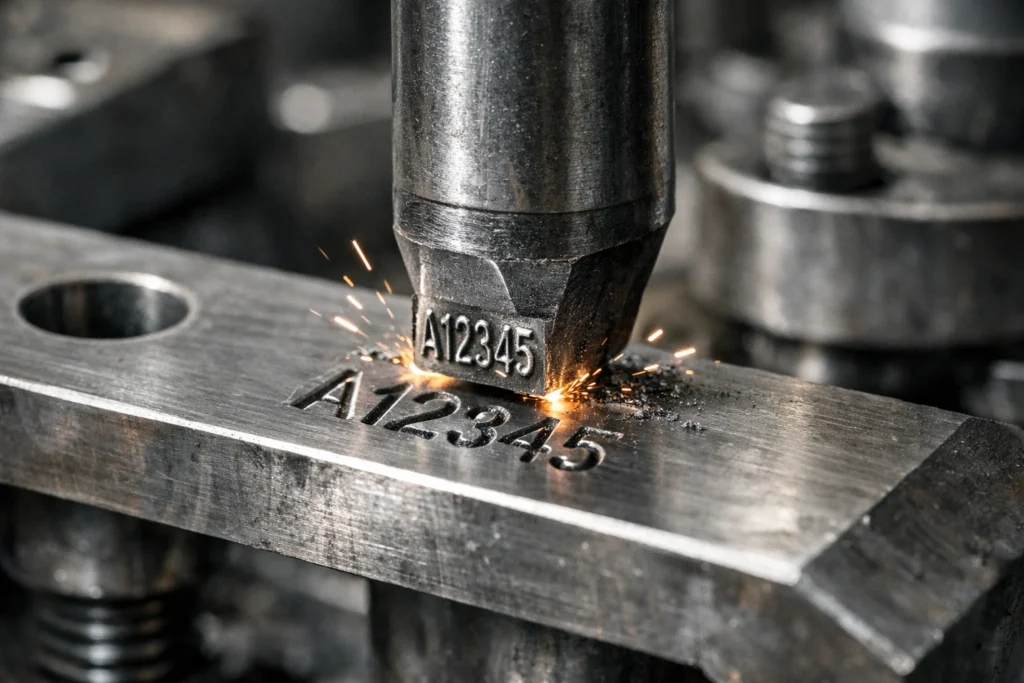
At its core, a metal stamp is a tool used to permanently indent a design, character, or code into a metal surface. This process creates a physical impression that remains legible even after painting, coating, or years of exposure to harsh elements.
Metal stamps generally fall into two categories: standard and custom. Standard stamps are typically off-the-shelf sets of alphanumeric characters used for basic serial numbering. While effective for softer metals like aluminum or mild steel, they often lack the durability required for high-volume industrial use or harder alloys.
Custom metal stamps, on the other hand, are engineered to specific requirements. They can feature company logos, complex schematics, or specific font styles that standard sets cannot replicate. More importantly, they are often manufactured from higher-grade tool steels and heat-treated to withstand the impact forces required to mark tough materials.
For industrial identification, the benefits are clear. A physical indentation doesn’t fade like ink or peel like a label. It provides a permanent, tamper-evident mark that ensures a component’s history is always retrievable, which is crucial for quality control and regulatory compliance.
Why Custom Metal Stamps Matter in Industry
In heavy industry, a generic mark is rarely enough. Manufacturers often need to include specific information—such as heat numbers, lot codes, or proprietary branding—that standard alphanumeric sets simply can’t handle. Custom stamps offer the design flexibility to include all necessary data in a single impression, improving efficiency on the production line.
Beyond flexibility, precision is paramount. In sectors like aerospace or nuclear power, a mark that is too deep could compromise the structural integrity of a part (creating a stress riser), while a mark that is too shallow might become illegible over time. Custom stamps can be engineered with precise tip radii and bevel angles to control material displacement, ensuring the mark is clear without damaging the component.
Compliance is another major driver. Standards such as AS9100 in aerospace or API specifications in oil and gas often mandate specific marking methods and depths. Custom tooling allows manufacturers to meet these rigorous standards precisely, avoiding costly non-compliance issues.
Finally, durability is the ultimate advantage. Labels can burn off in high-heat engines, and laser marking, while popular, can sometimes affect the surface properties of sensitive alloys. Stamping moves material rather than removing or burning it, leaving a mark that can survive the same extreme conditions as the part itself.
What Makes Inconel Ideal for Industrial Use
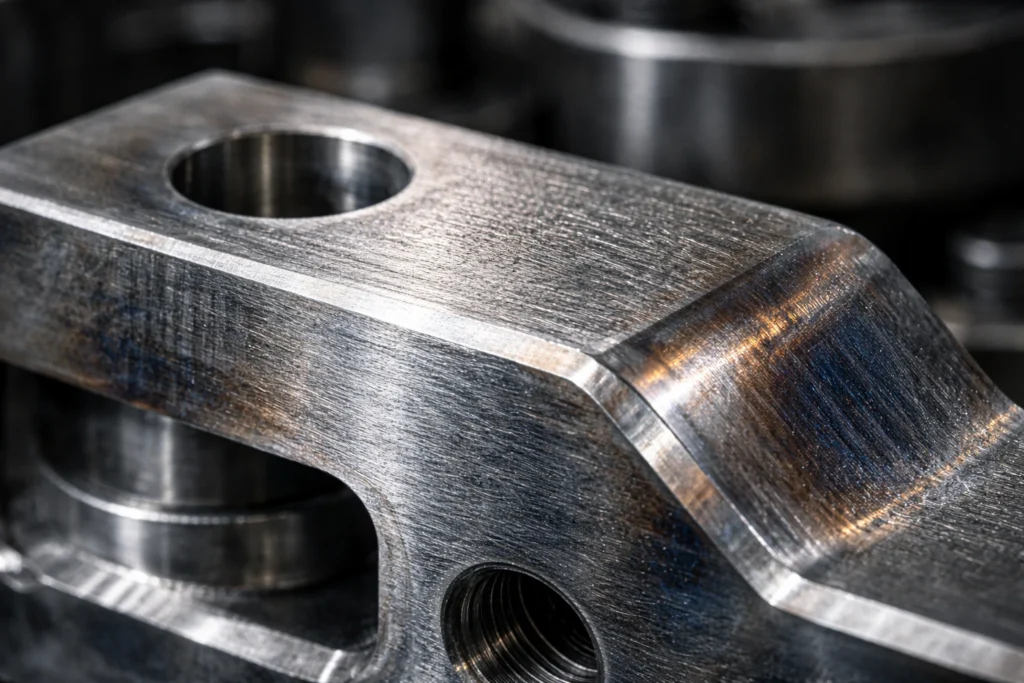
To understand why marking Inconel is so difficult, you first have to understand what makes the material so valuable. Inconel is a family of nickel-chromium-based superalloys known for their exceptional resistance to oxidation and corrosion.
When heated, Inconel forms a stable, passivating oxide layer that protects the surface from further attack. This makes it the material of choice for applications involving extreme temperature changes. Unlike steel or aluminum, which can lose significant strength at high temperatures, Inconel retains its structural integrity in heat that would melt or weaken other metals.
However, these same properties make Inconel incredibly difficult to machine and mark. It is a work-hardening material, meaning it becomes harder and stronger as it is deformed. Standard metal stamps often dull or shatter when striking an Inconel surface because the alloy fights back.
Industries that rely on Inconel include:
- Aerospace: Jet engine turbine blades and exhaust systems.
- Automotive: Turbocharger rotors and high-performance exhaust systems.
- Oil & Gas: Downhole tubing and wellhead components exposed to sour gas.
- Chemical Processing: Vessels and piping handling corrosive acids.
Custom Inconel Metal Stamping Process
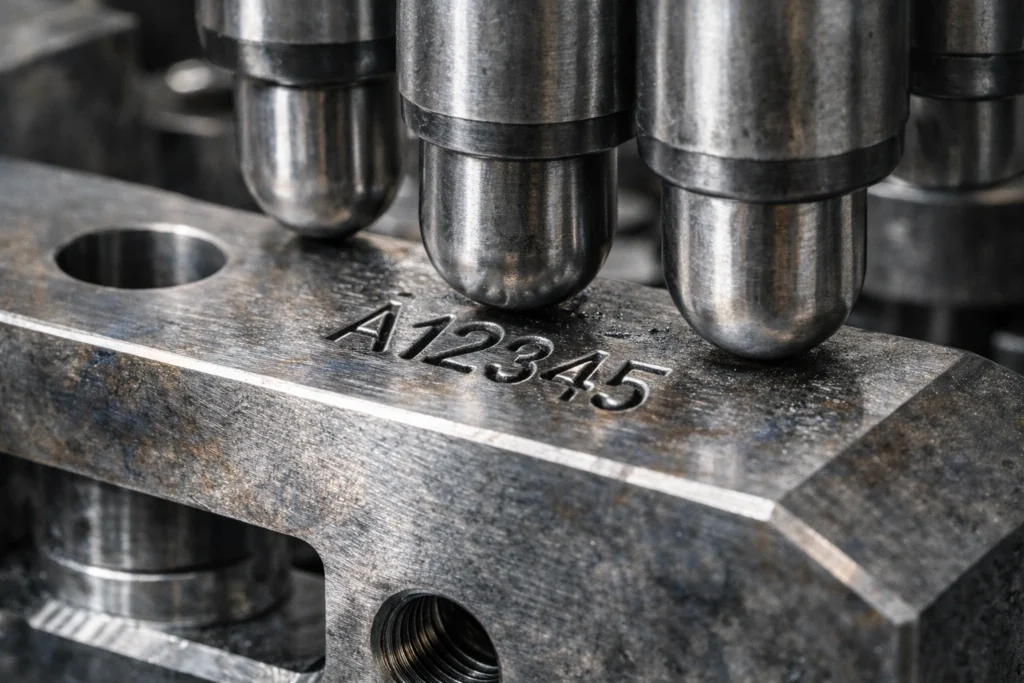
Stamping a superalloy requires more than just a hammer and a piece of steel. The process of creating a custom stamp for Inconel involves careful engineering to overcome the material’s work-hardening tendencies.
Challenges of Stamping Hard Alloys
The primary challenge is the hardness differential. To make a clear impression, the stamp must be significantly harder than the material being marked. Since Inconel is already tough, the stamp itself must be made from premium shock-resistant tool steels, often hardened to specific Rockwell C scales to prevent deformation of the stamp face.
Tooling Requirements and Stamping Depth
For Inconel, the geometry of the stamp character is critical. A “sharp face” character might chip under the force required to indent the alloy. Instead, stamps for superalloys often utilize a “low stress” or “dot stress” design. These characters have rounded edges rather than sharp peaks, which reduces the stress concentration on the part being marked—a vital requirement for aerospace components where microscopic cracks can lead to catastrophic failure.
Stamping depth is also a delicate balance. It needs to be deep enough to remain legible after any post-processing (like shot peening or coating) but shallow enough to avoid compromising the part’s fatigue life.
Accuracy and Consistency
Because Inconel is expensive, scrap rates must be kept to a minimum. Custom stamps are often integrated into press marking systems rather than used by hand. This ensures that the force applied is consistent every time, guaranteeing a uniform mark depth and placement that manual hammering cannot achieve.
Industrial Applications of Custom Metal Stamps
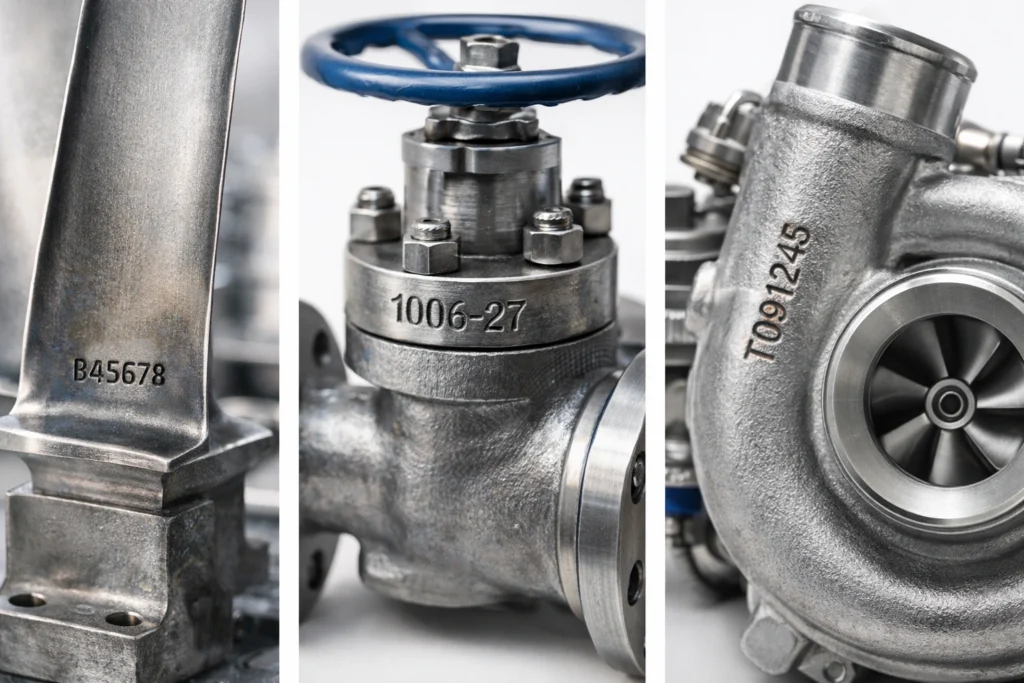
The use of custom metal stamps extends across virtually every heavy industry where traceability is non-negotiable.
Aerospace and Defense
In aviation, every part has a lifecycle. Turbine blades made of Inconel operate in temperatures exceeding 1,000°C. If a part fails or reaches its service limit, maintenance crews need to identify it immediately. Custom stamps provide the low-stress markings required to track these critical components without introducing stress fractures that could lead to engine failure.
Automotive and Motorsport
High-performance vehicles push engines to the brink. Turbochargers and exhaust manifolds, often crafted from Inconel for heat resistance, require permanent identification for warranty tracking and performance verification. Custom stamps allow manufacturers to brand these parts discreetly and permanently.
Oil & Gas Equipment
Equipment used in deep-sea drilling faces immense pressure and corrosive saltwater. A painted label won’t last an hour. A laser mark might erode. A stamped mark on a valve or blowout preventer remains visible for decades, ensuring operators can identify pressure ratings and material specs even after years of subsea deployment.
Power Generation
Whether in nuclear reactors or gas turbines, power generation components must adhere to strict regulatory standards. Custom stamps allow for the application of complex serialized data that links a specific component back to its original raw material test report, providing a complete chain of custody.
Benefits of Using Custom Metal Stamps for Inconel
Investing in custom tooling for marking Inconel offers significant operational advantages.
Permanent, High-Contrast Markings: The most obvious benefit is longevity. A stamped mark is a physical displacement of metal. Short of grinding the surface down, that information is there to stay. This is essential for parts that have service lives spanning decades.
Improved Quality Control and Traceability: Custom stamps ensure that the marking process is repeatable. When integrated into a production line, every part is marked in the exact same location with the exact same depth. This consistency is crucial for automated reading systems that may scan these codes later in the process.
Reduced Maintenance and Re-Marking Costs: Using a standard stamp on Inconel often leads to tool breakage. Replacing shattered stamps halts production and increases consumable costs. Custom stamps engineered for specific hardness ratings last significantly longer, reducing downtime and the frequency of tool replacement.
How to Choose the Right Custom Metal Stamps
Selecting the right stamp for your application is an engineering decision, not just a purchasing one.
Stamp Material and Hardness: Look for manufacturers who use high-grade tool steel (like S7 or A2) and offer specific heat-treating processes. The stamp must be tough enough to absorb impact without shattering, yet hard enough to indent the Inconel.
Marking Depth and Clarity: Consider the post-processing of your parts. If the part will be painted, you need a deeper mark. If it is a high-stress aerospace component, you likely need a low-stress, radiused character face.
Compatibility with Inconel: Explicitly state to your supplier that you are marking Inconel. They should adjust the bevel angle of the characters to penetrate the tough surface more effectively without chipping.
Choosing a Reliable Custom Manufacturer: Look for a partner who understands metallurgy. A supplier who simply sells “stamps” without asking about the substrate material may not provide a tool that can withstand the rigors of marking superalloys.
Custom Metal Stamps vs. Other Marking Methods
Why choose stamping over modern alternatives like lasers?
Stamping vs. Laser Marking: Laser marking is precise and low-impact, but it is often a surface-level treatment (annealing or etching). In abrasive environments, laser marks can wear away. Furthermore, laser marking can create heat-affected zones (HAZ) that alter the microstructure of the metal surface, which is sometimes prohibited in critical structural applications. Stamping creates no heat-affected zone.
Stamping vs. Engraving: CNC engraving (dot peening or scribing) is versatile but slow. Stamping is instantaneous. For high-volume production, a single press stroke takes a fraction of a second, whereas engraving a long serial number can take several seconds or minutes.
Why Stamping Works Best for Inconel: Inconel’s toughness makes it slow to engrave and difficult to laser mark without high power. Stamping utilizes the material’s plasticity (however limited) to create a mark that is structurally sound and incredibly deep relative to the time it takes to create.
Final Thoughts
The ability to trace a component from the forge to the field is the backbone of industrial safety and quality assurance. As industries continue to push boundaries with superalloys like Inconel, the tools we use to identify these materials must evolve too.
Custom metal stamps are not just simple tools; they are precision instruments engineered to conquer the toughest materials on earth. They offer a level of permanence and reliability that labels, ink, and even lasers often cannot match in harsh environments. By investing in the right custom marking solutions, manufacturers ensure that their products carry their identity—and their integrity—forever.
If you’re looking for high-quality Custom Metal Fabrication, including solutions for custom Inconel metal stamping, explore our Custom Metal Fabrication services to get durable, precision-made industrial components.
Frequently Asked Questions
Are metal stamps suitable for Inconel alloys?
Yes, but they must be specialized. Standard stamps may shatter or dull quickly. You require custom metal stamps made from shock-resistant tool steel with specific bevel angles designed to penetrate work-hardening alloys like Inconel.
How deep should stamping be on Inconel parts?
The depth depends on the application. For high-stress aerospace parts, shallow, low-stress marks (often with rounded bottoms) are preferred to avoid creating stress risers. For heavy machinery parts that will be painted, a deeper mark is necessary to ensure visibility through the coating.
Can custom metal stamps be reused for multiple components?
Absolutely. High-quality custom stamps are designed for high-volume repeatability. When used correctly within their design limits, a single custom stamp can mark thousands of components before showing signs of wear.