In the world of metal fabrication, precision is everything. Whether you are shaping panels for a construction project, customizing trim for exterior work, or crafting parts for a specialized build, the tool that makes all the difference is the aluminum bending brake. This machine has become a must have for contractors, hobbyists, and production shops because it transforms flat aluminum sheets into perfectly formed components with incredible accuracy.
Today’s aluminum bending brakes are more advanced, more portable, and more user friendly than ever before. If you are looking to improve workflow, produce cleaner bends, and expand your fabrication capabilities, understanding how this tool works and what features matter most will give you a huge advantage.
What Exactly Is an Aluminum Bending Brake
An aluminum bending brake is a precision tool designed to bend flat aluminum sheets into specific angles without cracking, creasing, or distorting the metal. It does this by clamping the sheet firmly in place while a hinged bending bar lifts to form the desired angle. This controlled motion allows fabricators to create clean edges, straight lines, and repeatable results that look professional every time.
Modern brakes come in various sizes and configurations, from compact portable models for job site installations to heavy duty workshop units that can handle long, thick aluminum sheets. No matter the size, their purpose remains the same, to provide accurate and reliable bends.
Why Aluminum Needs a Special Bending Tool
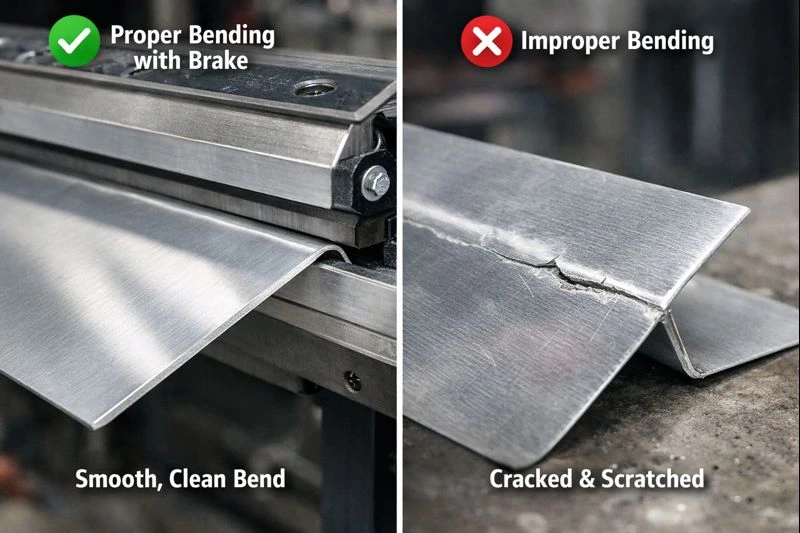
Aluminum may be lightweight and flexible, but it behaves differently from steel. Its softness makes it ideal for shaping, yet it also makes the material prone to scratches, dents, and stress fractures if not handled correctly. This is where an aluminum bending brake becomes essential.
Here’s why aluminum requires a dedicated bending solution:
Superior Surface Protection
The flat clamping surfaces of an aluminum bending brake prevent scratches and cosmetic damage, something aluminum is notorious for.
Even Pressure Distribution
Aluminum must be bent with controlled pressure to avoid cracking. A quality brake ensures the entire sheet receives equal force.
Consistent Output
Because aluminum can rebound slightly after forming, a brake designed for this material helps maintain accuracy over multiple bends.
The Different Types of Aluminum Bending Brakes
Choosing the right brake depends on what you plan to build. Here is a quick guide to the types commonly used today.
Portable Aluminum Brakes
These are widely used by siding installers, roofers, and contractors who need mobility. Despite their lightweight frames, they produce professional, long length bends perfect for trim and flashing.
Shop Grade Manual Brakes
Favored by fabricators and metalworkers, these models provide more strength and capacity for repeating bends throughout a production day.
Box and Pan Brakes
Designed with removable fingers that allow segmented bending, these brakes are perfect for creating pans, channels, boxes, and other multi sided components.
Hydraulic and Powered Brakes
Built for industrial users, these machines deliver automated bending pressure for large scale manufacturing or thicker materials.
CNC Brakes
Used in high precision environments, CNC controlled aluminum bending brakes produce complex shapes with perfect repeatability.
Features to Consider Before Buying an Aluminum Bending Brake
If you want to invest in a brake that actually enhances workflow instead of slowing you down, keep these features in mind:
Bending Capacity
Check the maximum sheet length and thickness the brake can handle. For most construction and trim jobs, an eight to ten foot brake is ideal.
Build Quality
A reliable aluminum bending brake should include reinforced clamping bars, corrosion resistant materials, and smooth beveled surfaces.
Portability
Contractors often prefer lightweight or foldable brakes that can be transported from job to job without hassle.
Ease of Adjustment
Fine tuning options are extremely helpful when working with aluminum’s tendency to spring back slightly.
Stability and Grip
A strong clamping system prevents shifting, ensuring your bends stay accurate and professional looking.
How to Use an Aluminum Bending Brake Correctly
Using an aluminum bending brake is simple once you understand the proper steps. Follow this process for clean, accurate bends:
1. Mark Your Bend Line Clearly
Use a scribe or marker to draw a precise line across the sheet where the bend will occur.
2. Position the Aluminum in the Brake
Slide the sheet under the clamp until the line rests exactly at the bending edge.
3. Lock the Clamp Securely
Even pressure is important. Make sure the sheet is fully secured before lifting the bending handle.
4. Make a Smooth, Steady Bend
Lift the bending bar in one controlled motion to prevent waviness or distortion.
5. Adjust for Springback
Aluminum naturally relaxes after bending, so consider bending a few degrees past your target angle.
6. Inspect Your Work
Look for straight lines, crisp edges, and a smooth finish. A good brake will deliver this consistently.
Where Aluminum Bending Brakes Are Used
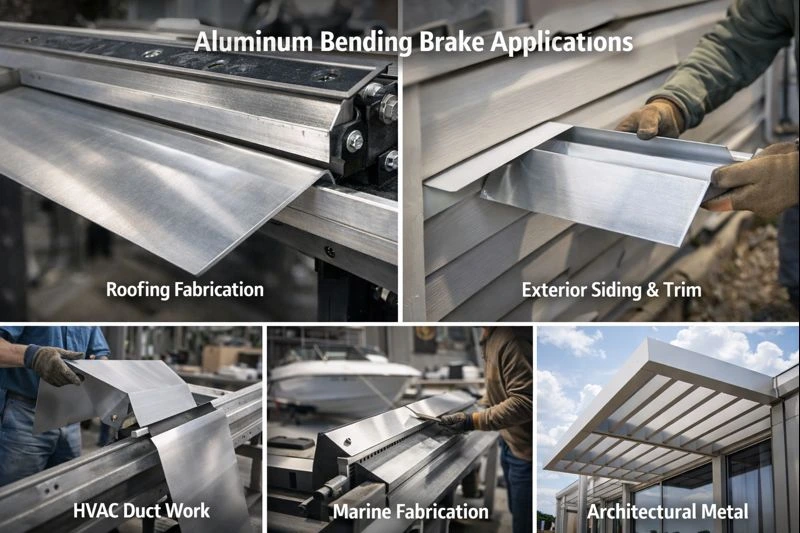
The versatility of an aluminum bending brake makes it useful in countless industries, including:
• Exterior siding and trim fabrication
• Roofing and flashing production
• HVAC duct and vent manufacturing
• Automotive and trailer customization
• Boat building and marine repairs
• Architectural aluminum design
• DIY construction and creative metalworking
Anywhere aluminum needs shaping with precision, this tool is the centerpiece of the process.
How to Maintain Your Aluminum Bending Brake
Keeping your brake in top shape ensures it delivers accurate bends for years. Follow these simple maintenance tips:
Keep Surfaces Clean
Wipe clamping bars and bending surfaces daily to remove dust and metal shavings.
Lubricate Hinges and Moving Parts
Smooth movement is crucial, so apply a light oil where recommended.
Protect Contact Surfaces
Avoid placing rough tools or sharp objects on the brake to prevent scratches.
Check Alignment Regularly
A well aligned brake ensures straight, accurate bends across the entire sheet.
Why an Aluminum Bending Brake is a Smart Investment
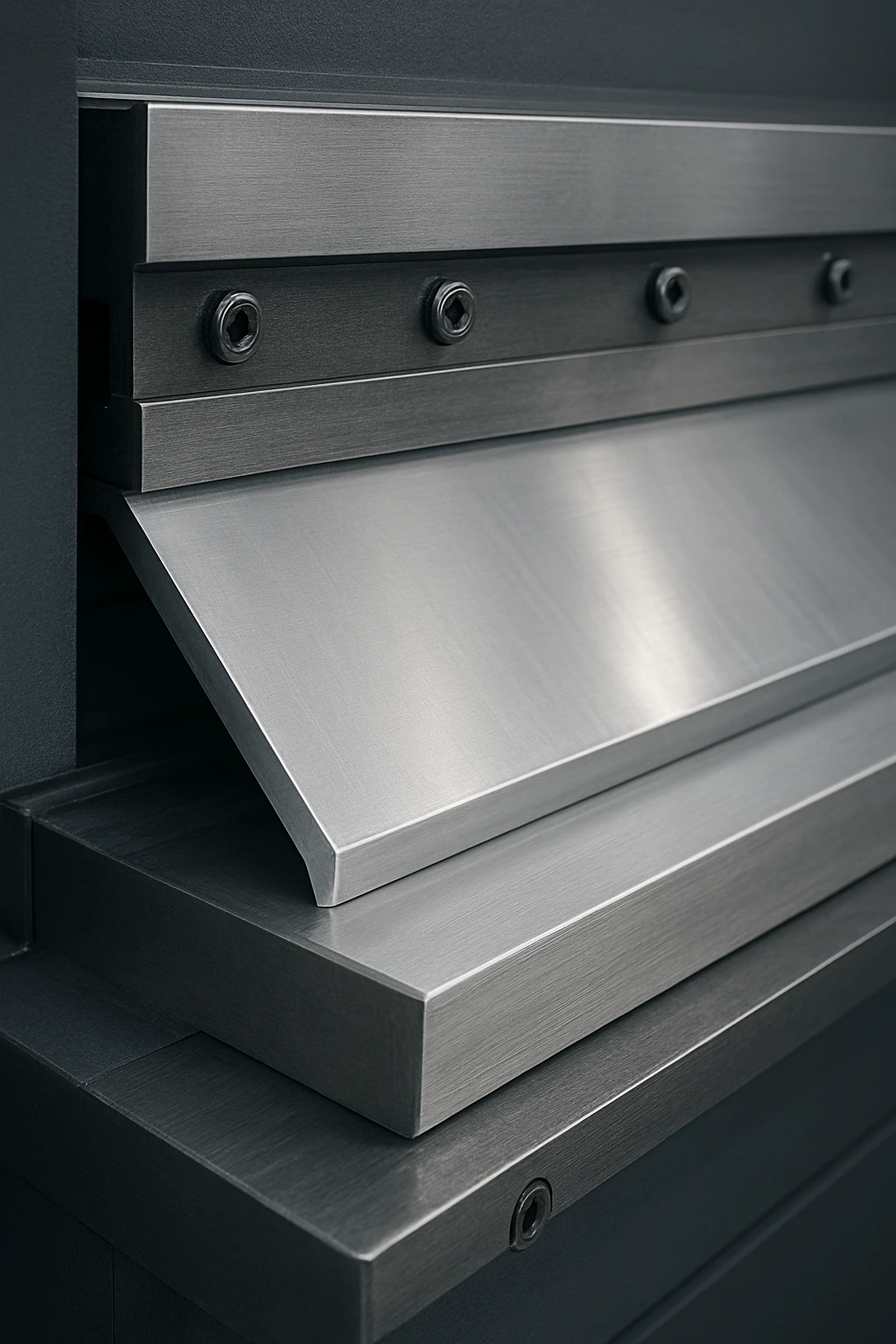
For fabricators, contractors, and DIY metalworkers, an aluminum bending brake unlocks more possibilities than almost any other tool in the workshop. It eliminates outsourcing, reduces waste, and gives you full control over the shaping process. Whether you use it for large production runs or occasional custom work, the precision and reliability it offers will quickly justify the investment.
Final Thoughts
An bending brake is a key piece of equipment for anyone working with aluminum sheet material. With the right model and the right techniques, you can produce professional quality bends that elevate the finish and functionality of your projects. As demand for aluminum components continues to rise in both residential and industrial applications, having this tool in your workflow sets you apart and opens the door to more advanced fabrication opportunities.
If you want further customization, keyword variations, product descriptions, or additional SEO content, just let me know. I can craft as much unique content as you need!