In modern manufacturing, restoration, and custom fabrication, achieving a flawless surface finish is essential. Whether it’s automotive parts, aerospace components, jewelry, electronics, or industrial machinery, the quality of a surface can significantly impact both aesthetics and performance. Among the most reliable and versatile techniques for surface preparation and finishing is bead blasting. This method has gained immense popularity across industries due to its precision, efficiency, and adaptability.
Bead blasting is not just a cleaning process—it’s a finishing technique that ensures surfaces are smooth, uniform, and ready for subsequent treatments like painting, plating, or coating. In this guide, we’ll explore every aspect of bead blasting, from its working process to its benefits, bead types, applications, and best practices.
Understanding Bead Blasting
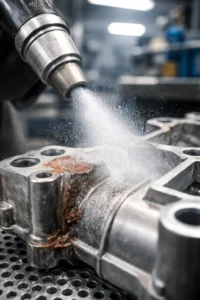
At its core, bead blasting is a high-precision surface treatment that propels tiny abrasive beads at a surface at high speed. Unlike traditional sandblasting or chemical treatments, bead blasting delivers controlled, consistent results without damaging the underlying material.
The process uses beads made from materials like glass, ceramic, steel, or plastic. These beads, when accelerated under high pressure, strike the surface and remove impurities such as rust, old paint, oxidation, and scale. The impact of the beads creates a smooth, uniform texture, enhancing both the appearance and performance of the surface.
Bead blasting is ideal for delicate surfaces because it avoids excessive abrasion. For instance, automotive restoration projects, jewelry, or electronics components can benefit from bead blasting because it cleans and preps surfaces without altering the original dimensions or fine details.
Advantages of Bead Blasting
The growing adoption of bead blasting across industries can be attributed to its numerous benefits. Here are the primary advantages of this surface finishing technique:
1. Flawless Surface Finish
Bead blasting creates a consistent, smooth, and uniform surface texture that enhances the visual appeal of metals, plastics, and other materials. Whether you are refinishing a car body, a stainless steel appliance, or a decorative metal component, bead blasting ensures a premium, professional look.
2. Effective Cleaning
Traditional methods like sanding, grinding, or chemical stripping can be aggressive and potentially damaging. Bead blasting, on the other hand, efficiently removes rust, old paint, scale, oxidation, and other surface contaminants without harming the material underneath. This makes it ideal for both delicate and heavy-duty applications.
3. Better Coating Adhesion
A lightly textured surface improves the adhesion of paints, coatings, and plating. By providing a uniform micro-roughness, bead blasting ensures that coatings stick better and last longer, reducing peeling, chipping, or flaking over time.
4. Industry Versatility
Bead blasting is widely used across multiple sectors:
Automotive: Surface preparation, rust removal, and refinishing.
Aerospace: Cleaning and restoring components while maintaining strict tolerances.
Jewelry and Decorative Items: Achieving satin, matte, or frosted finishes without damaging intricate details.
Electronics: Precision cleaning of delicate parts before assembly or plating.
Manufacturing: Ensuring consistent finishes on metal components to improve durability and aesthetics.
5. Eco-Friendly Options
Modern bead blasting often employs reusable beads such as glass or ceramic, reducing waste and minimizing the use of harmful chemicals. This makes bead blasting an environmentally conscious option for surface finishing.
Choosing the Right Bead for the Job
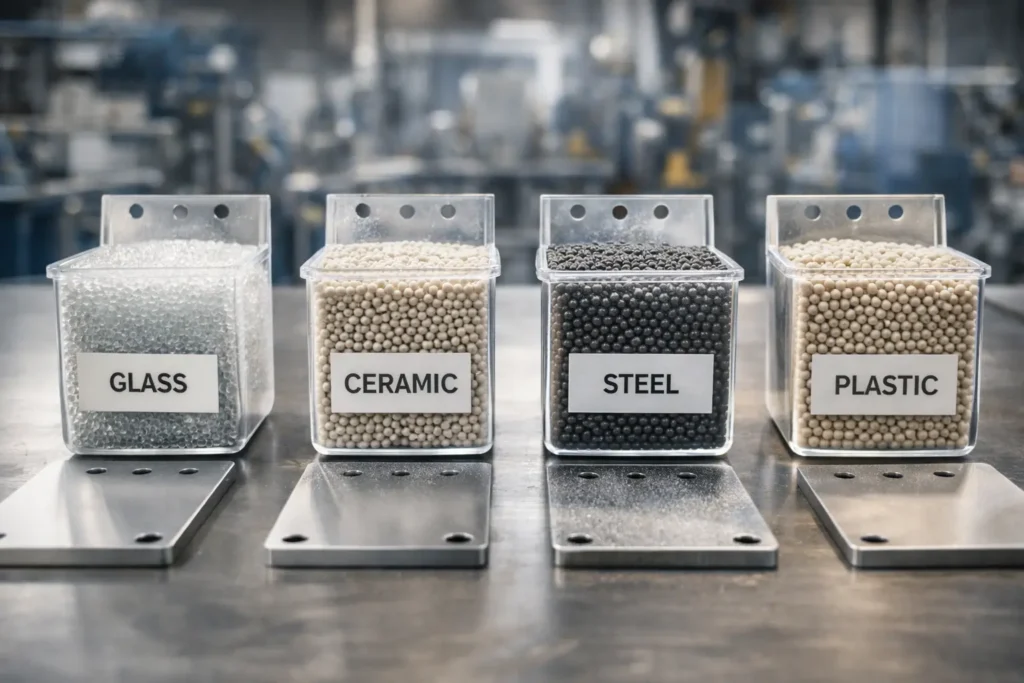
Selecting the appropriate bead type is critical for achieving the desired surface finish. Different beads have unique properties suited for specific materials and applications:
Glass Beads
Purpose: Polishing and smoothing surfaces without scratching.
Best for: Aluminum, brass, stainless steel, and other delicate metals.
Result: Produces a soft, uniform finish, ideal for aesthetic and decorative applications.
Ceramic Beads
Purpose: Durable and hard beads for heavy-duty cleaning.
Best for: Removing stubborn oxidation, scale, and corrosion on metals.
Result: Provides aggressive cleaning while maintaining dimensional accuracy.
Steel Beads
Purpose: Aggressive surface preparation for metals.
Best for: Automotive, aerospace, and industrial metal components.
Result: Creates a strong, textured surface that improves adhesion for coatings and paints.
Plastic Beads
Purpose: Gentle cleaning of soft or delicate materials.
Best for: Aluminum, plated parts, and sensitive electronic components.
Result: Cleans surfaces without causing scratches or deformation.
Choosing the correct bead ensures that the surface is treated efficiently while achieving the desired finish without damage.
Real-World Applications of Bead Blasting

The versatility of bead blasting makes it suitable for numerous applications across different industries:
Automotive
In automotive restoration or manufacturing, bead blasting is used to remove rust, paint, and debris from car parts, engine components, and body panels. It also preps surfaces for painting, coating, or plating, ensuring long-lasting finishes.
Manufacturing
Metal components produced in factories often require a uniform finish to enhance durability and aesthetics. Bead blasting ensures smooth edges, removes surface contaminants, and provides a consistent texture for coating or plating applications.
Jewelry and Decorative Items
Bead blasting is ideal for achieving satin, matte, or frosted finishes on delicate jewelry pieces and decorative metal items. Unlike other abrasive methods, it preserves intricate details while creating an elegant finish.
Electronics
Precision electronic components need cleaning without causing scratches or deformation. Bead blasting effectively removes residues and prepares surfaces for plating or assembly without compromising functionality.
Aerospace
In aerospace applications, bead blasting is used to restore and clean components while maintaining exact tolerances. It ensures that critical parts meet performance and safety standards without altering dimensions or compromising structural integrity.
Safety Tips and Best Practices
Although bead blasting is highly effective, proper safety measures are essential to protect operators and maintain consistent results:
Wear Proper Protective Gear
Always use gloves, goggles, respirators, and protective clothing to prevent injury from flying beads and dust.Ensure Proper Ventilation
Work in well-ventilated areas to avoid inhaling dust or fine particles generated during the blasting process.Match Bead Type and Pressure to Material
Using the wrong bead type or excessive pressure can damage surfaces. Always follow manufacturer guidelines and material-specific recommendations.Regular Equipment Maintenance
Inspect and service bead blasting equipment regularly to ensure consistent performance and avoid malfunctions that could compromise results.Work Methodically
Move the blasting nozzle evenly across the surface to achieve uniform texture. Avoid staying too long on one spot, which could create uneven finishes.
The Future of Bead Blasting
Bead blasting continues to evolve with advancements in technology and materials. Modern systems incorporate automated controls, precision nozzles, and environmentally friendly bead options. This allows for even greater consistency, efficiency, and eco-consciousness.
Industries are increasingly adopting bead blasting not just for cleaning and surface preparation but as a standard in high-quality manufacturing, restoration, and custom fabrication projects. Its combination of versatility, precision, and eco-friendly benefits ensures that bead blasting will remain a vital technique for years to come.
Conclusion
Bead blasting is more than just a cleaning process; it is a highly versatile and precise surface finishing technique that enhances both appearance and performance across industries. From automotive restoration to aerospace, jewelry, electronics, and manufacturing, bead blasting provides smooth, uniform finishes, improves coating adhesion, and ensures durability.
By selecting the appropriate bead type, following safety guidelines, and maintaining equipment properly, bead blasting can deliver consistent, high-quality results every time. Its eco-friendly options and adaptability make it a sustainable choice for modern surface finishing needs.
Whether you are restoring classic cars, producing industrial components, or creating intricate jewelry, bead blasting ensures surfaces are flawless, functional, and ready for the next step in production or design.
Explore bead blasting solutions today to elevate the quality and durability of your surfaces.