Brass and bronze are two of the most well-known copper alloys in the world. Although they may look similar at first glance, the difference between brass and bronze is more significant than many people realize. Their unique compositions give them distinct colors, properties, strengths and uses. Whether you’re selecting metal for a design project, shopping for hardware, or working on an industrial application, understanding brass vs bronze is essential.
This guide blends a professional, friendly and premium tone while helping you clearly understand what is brass, what is bronze, what each metal is made of, how they differ, and where they work best. If you’re searching for an authoritative yet easy-to-read resource, this is the complete comparison you need.
What Is Brass?

Brass is a copper alloy made primarily by combining copper with zinc. The exact amount of zinc can vary, generally between 5% and 45%, and this influences almost everything about the alloy, from color to strength to cost.
Brass has been used for thousands of years, valued for its warm tone and ease of manufacturing. Unlike pure copper, which is reddish, brass has a distinctly golden appearance that often resembles real gold. This is why brass is a common choice in decorative and luxury-style hardware.
Its versatility makes brass a favorite in both industrial and artistic settings. The proportions of copper and zinc can be adjusted to make brass softer for shaping or harder for more durability, giving manufacturers incredible flexibility.
What Is Brass Made Of?
Brass is mainly composed of:
Copper
Zinc
Sometimes small amounts of other elements, like lead, tin or nickel, are added to improve machinability or corrosion resistance. This ability to customize brass is one reason it is used in everything from musical instruments to plumbing fittings.
Properties of Brass
Brass is known for several important traits that make it useful in both homes and industries. Its most recognizable characteristic is its golden yellow color, especially in high-copper varieties like cartridge brass. This warm tone gives brass a premium, elegant appeal.
Functionally, brass is easy to work with. It machines smoothly, bends without breaking, and can be polished to a stunning shine. It also resists corrosion fairly well, especially in environments without high salt exposure. While not as strong as bronze, it offers a balanced combination of beauty and performance that fits many applications.
Brass also has excellent acoustic qualities. This is why instruments like trumpets, tubas, trombones and saxophones rely on brass to produce bright, resonant sound.
Applications of Brass
Brass can be found almost everywhere in daily life. In homes, it appears in drawer pulls, hinges, faucets, decorative lights and door handles. Designers often select brass to add warmth and sophistication to interiors, especially in modern and vintage styles.
In industries, brass is widely used in:
Electrical connectors
Plumbing valves
Lock mechanisms
Ammunition casings
Precision machined parts
Its ability to resist sparks also makes brass useful in hazardous environments where fire safety is crucial.
What Is Bronze?

Bronze is another major copper alloy, but instead of zinc, it is primarily made from copper and tin. This simple difference results in an alloy that is darker, stronger, and more durable than brass. Bronze was so important to early civilizations that an entire era, the Bronze Age, was named after it.
Bronze carries a more traditional, historical appearance. It is often associated with ancient sculptures, bells and monuments. But beyond its beauty, bronze is valued for its unmatched strength, resistance to wear and superior performance in outdoor and marine environments.
What Is Bronze Made Of?
Traditional bronze consists of:
Copper
Tin
Modern bronze may include small amounts of aluminum, phosphorous, silicon or manganese to further enhance strength, corrosion resistance or casting performance. Regardless of the exact composition, bronze remains one of the toughest and most reliable engineering metals.
Properties of Bronze
Bronze is easily identified by its deep reddish-brown tone. Over time, it forms a natural patina, a protective surface layer that gives old bronze statues their iconic greenish-blue color. This patina does not damage bronze; instead, it prevents deeper corrosion, allowing bronze to survive outdoors for centuries.
Mechanically, bronze is stronger and harder than brass. It resists friction and wears exceptionally well, which is why it is used for gears, bearings and bushings. Its corrosion resistance is superior, especially in saltwater environments, making it the preferred choice for marine hardware.
Another key feature of bronze is its acoustic quality. Bronze bells and cymbals have a rich, resonant sound that carries further than brass instruments.
Applications of Bronze
Bronze is used in many high-performance or outdoor applications. Sculptors favor bronze for its durability and stunning natural patina. Marine industries rely on bronze for parts that must survive long exposure to saltwater, such as propellers, ship fittings and underwater valves.
Bronze is also used to manufacture:
Bearings and bushings
Heavy-duty gears
Bells and gongs
High wear mechanical parts
Architectural elements
Outdoor statues and plaques
Its strength and longevity make bronze an ideal material for demanding environments where other metals would quickly fail.
Quick Comparison: Difference Between Brass and Bronze

A quick way to understand brass vs bronze is to compare key areas:
Brass is gold-toned, while bronze is reddish brown.
Brass is softer and easier to machine.
Bronze is stronger, harder and more corrosion resistant.
Brass is more common in decorative uses.
Bronze is preferred for industrial and marine environments.
Bronze typically costs more due to its tin content.
With this understanding, choosing the right alloy becomes much easier.
Mechanical Differences Between Brass and Bronze
| Feature | Brass | Bronze |
|---|---|---|
| Color | Warm, golden tone | Deep reddish-brown |
| Mechanical Properties | Softer and easier to shape | Harder and significantly more durable |
| Applications | Ideal for intricate designs, precise machining, fittings, and decorative work | Ideal for gears, bearings, and industrial components |
| Surface Finish | Smooth surface, easy to polish | Performs well under wear, heavy loads, and harsh environments |
| Environmental Resistance | Moderate | Excellent, especially in moisture, saltwater, or chemical exposure |
| Workability | Very workable | Workable, especially when heated (traditional bronze casting) |
Brass vs Bronze Price – Which One Is More Expensive?
When comparing brass vs bronze price, the short answer is simple: bronze usually costs more than brass. The difference comes from the metals used in each alloy and how they perform in real-world applications.
Is Bronze More Expensive Than Brass?
Yes. In most cases, bronze is more expensive than brass because it contains tin, a metal that costs more than the zinc used in brass. Bronze alloys also tend to have a higher copper content, which further increases their price.
Is Brass Cheaper Than Bronze?
Yes. Brass is generally cheaper than bronze. Zinc is more affordable and easier to process, which keeps brass production costs lower. This is why brass is commonly chosen for applications where cost control is important.
Brass vs Bronze Cost – What Affects the Price?
Several factors influence the cost difference between brass and bronze:
Alloy composition (tin vs zinc percentage)
Copper market price
Manufacturing and machining effort
Intended use and durability requirements
Because bronze offers better resistance to wear and corrosion, it is priced higher than brass in most markets.
Brass vs Bronze Price Per Kg (General Insight)
| Material | Cost Position |
|---|---|
| Brass | Lower-cost copper alloy |
| Bronze | Higher-cost copper alloy |
Prices per kg can vary depending on alloy grade, volume, and market conditions.
Why Is Bronze Costlier Than Brass?
Bronze is costlier than brass because it is designed for long-term performance. Its composition provides better strength, longer service life, and improved resistance in demanding environments, which justifies the higher price compared to brass.
Brass vs Bronze – Which Is Costly?
Bronze is the more expensive option
Brass is the more economical option
Brass suits decorative and general applications
Bronze suits industrial and heavy-duty applications
Quick Answers to Common Price Questions
Which is more expensive: brass or bronze?
Bronze is more expensive than brass.
Is brass expensive compared to bronze?
No, brass is typically cheaper.
Is bronze cheap?
No, bronze is considered a higher-value alloy.
Brass vs bronze: which is costly?
Bronze is usually the costlier material.
How Brass and Bronze Are Made

The manufacturing process for brass and bronze gives each metal its unique performance and finish.
Brass is created by melting copper and zinc together in a controlled furnace. Once the metals fuse, the molten alloy is poured into molds or cast into ingots. After cooling, brass can be rolled, cut, machined or polished depending on the final application. The ease with which brass can be shaped is one of its biggest advantages.
Bronze follows a similar process, but the melting temperatures are higher. After copper and tin are combined, the molten bronze is often poured into sand molds, which allows artists and manufacturers to achieve detailed shapes. This traditional casting method is why bronze statues have such intricate detail and durability.
How Brass and Bronze Are Used in Everyday Items
Most people are surprised to learn how many everyday products rely on these two alloys. The warm, golden tone of brass makes it common in home décor, from lamp bases to kitchen cabinet handles. It is also used extensively in plumbing systems because it resists corrosion and is easy to machine.
Bronze appears in places where strength matters more than shine. Door hardware exposed to the outdoors often uses bronze because it can withstand moisture and weather. Marine hardware, industrial components, gears and bearings also rely heavily on bronze because of its ability to handle friction and harsh conditions.
Even in the arts, both metals play unique roles. Brass instruments are iconic for their bright tones, while bronze is essential in sculpture, bell-making and large architectural installations.
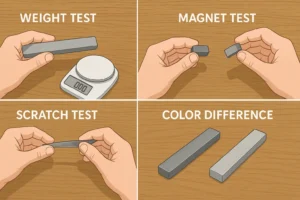
Brass vs Bronze Color: How to Tell Them Apart
Color is one of the easiest ways to identify brass vs bronze, and the difference is quite noticeable once you know what to look for.
Brass typically appears bright and golden, especially when polished. It reflects light well and can look almost like gold from a distance. This makes brass a go-to choice for luxury hardware, decorative fixtures and interior design.
Bronze, on the other hand, has a deeper and more earthy appearance. Its color ranges from reddish brown to chocolate brown, depending on the specific alloy. As bronze ages, it darkens, eventually forming a blue-green patina. This aged appearance is one of the reasons bronze is so highly valued in sculptures and outdoor installations.
Many people confuse antique brass vs bronze because they can look similar. But antique brass is simply brass that has been chemically darkened. It still retains a yellowish base tone, while true bronze keeps its reddish brown character even when aged.
Final Thoughts: Why ToledoFab Is Your Trusted Source for Brass and Bronze Work
When it comes to choosing between brass and bronze, the best material depends on your needs. Brass is ideal for decorative, detailed or cost-efficient projects where beauty and machinability matter. Bronze is the superior choice for outdoor, marine or heavy-duty applications requiring long-term durability and strength.
At ToledoFab, we bring decades of expertise in working with both metals. Our team understands the technical differences between brass and bronze and knows how to select the ideal alloy for each project. Whether you need finely machined brass hardware or rugged bronze components built for demanding environments, ToledoFab delivers premium craftsmanship with precision and care.
We take pride in offering high-quality metals, expert fabrication and dependable service that stands out in the industry. When you choose ToledoFab, you’re choosing a partner committed to excellence, durability and customer satisfaction. For projects that require the best materials and the highest level of expertise, ToledoFab is the name you can trust.