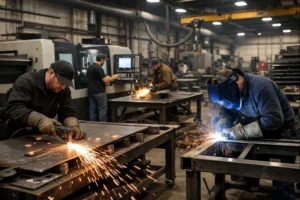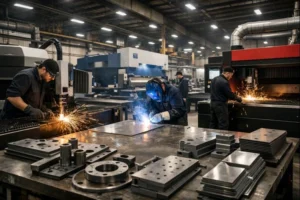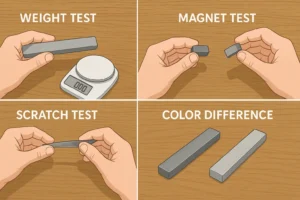
The comparison of carbon steel vs stainless steel is one of the most common topics in manufacturing, engineering, fabrication, and construction. Both metals are strong and reliable, but they behave very differently depending on the application. Understanding how carbon vs stainless steel performs in terms of durability, corrosion resistance, hardness, cost, and maintenance helps manufacturers, designers, and buyers choose the right material for long term performance.
This article provides a detailed, SEO optimized, and technically accurate explanation of the differences between stainless steel vs carbon steel, including how stainless steel vs high carbon steel compares in real world use.
What Is Carbon Steel

Carbon steel is an alloy made mainly from iron and carbon. The carbon content ranges from very low to very high, which directly affects the hardness, strength, and ductility of the material. Carbon steel is highly popular because it is strong, affordable, and easy to fabricate.
Types of Carbon Steel
Low Carbon Steel or Mild Steel
Low carbon steel contains 0.05 percent to 0.30 percent carbon. It is soft, flexible, and easy to weld and machine. This type is commonly used in automotive parts, pipes, sheet metal, and general fabrication.
Medium Carbon Steel
Medium carbon steel contains 0.30 percent to 0.60 percent carbon. It provides a balance between strength and ductility, making it ideal for axles, gears, rails, and machinery components.
High Carbon Steel
High carbon steel contains 0.60 percent to 2 percent carbon. It is extremely strong and hard, but it can also be brittle if not treated properly. It is commonly used for knives, cutting tools, blades, springs, and industrial tools. This category is important in comparisons such as stainless steel vs high carbon steel.
Key Characteristics of Carbon Steel
-
High strength, especially in high carbon grades
-
Affordable compared to stainless steel
-
Excellent machinability and weldability in low carbon steels
-
Poor corrosion resistance and prone to rusting
-
Can be heat treated for improved hardness
What Is Stainless Steel

Stainless steel is an iron based alloy that contains at least 10.5 percent chromium. The chromium reacts with oxygen to form a thin protective layer known as a passive film. This film prevents rust, making stainless steel one of the best corrosion resistant materials available.
Types of Stainless Steel
Austenitic Stainless Steel
Austenitic stainless steel, including grades such as 304 and 316, provides exceptional corrosion resistance and excellent formability. It is non magnetic and widely used in food processing equipment, medical devices, kitchen appliances, and marine environments.
Ferritic Stainless Steel
Ferritic stainless steel, including grade 430, has moderate corrosion resistance and is magnetic. It is more affordable than austenitic stainless steel and is commonly used in exhaust systems and household products.
Martensitic Stainless Steel
Martensitic stainless steel, such as grades 410 and 420, offers good hardness and strength. These steels are used for knives, tools, turbine components, and other parts requiring high mechanical performance.
Key Characteristics of Stainless Steel
-
Superior corrosion resistance
-
Durable and long lasting
-
Attractive appearance and smooth finish
-
Resistant to chemicals and moisture
-
More expensive and harder to machine
Carbon Steel vs Stainless Steel: Detailed Comparison

Understanding the performance differences between carbon steel vs stainless steel requires comparing them across several important categories.
Composition Comparison
Carbon Steel Composition
Carbon steel is primarily composed of iron and carbon. It may also contain small amounts of manganese, phosphorus, and silicon.
Stainless Steel Composition
Stainless steel contains iron, carbon, and a minimum of 10.5 percent chromium. Many grades also include nickel, molybdenum, and other alloying elements. These additions dramatically improve corrosion resistance, toughness, and overall durability.
Strength and Hardness Comparison
Carbon Steel Strength
Carbon steel can be extremely strong, especially in high carbon grades. Heat treatment can further increase hardness and tensile strength. This makes carbon steel ideal for tools, cutting edges, and heavy duty components.
Stainless Steel Strength
Stainless steel offers good strength and excellent toughness. Although it cannot be hardened to the same degree as high carbon steel, it performs better in applications that require impact resistance and long term durability.
Which Material Is Stronger
-
High carbon steel is harder and stronger
-
Stainless steel is tougher and less likely to crack under impact
Corrosion Resistance Comparison
Carbon Steel Corrosion Resistance
Carbon steel is not naturally resistant to corrosion. It rusts easily when exposed to moisture or oxygen. To protect it, coatings such as paint, powder coating, plating, or galvanizing must be applied.
Stainless Steel Corrosion Resistance
Stainless steel is highly resistant to corrosion due to the chromium oxide layer on its surface. It withstands moisture, chemicals, saltwater, and harsh weather conditions without rusting.
Which Material Resists Rust Better
Stainless steel is significantly more resistant to corrosion than carbon steel and is the clear winner in any environment where moisture or chemicals are present.
Cost Comparison
Carbon Steel Cost
Carbon steel is economical and widely available. Its lower cost makes it ideal for large scale construction, fabrication, and industrial use.
Stainless Steel Cost
Stainless steel is more expensive to produce due to chromium, nickel, and other alloying elements. It also has higher machining and fabrication costs.
Which Material Is More Economical
Carbon steel is far more cost effective, but stainless steel offers long term savings in environments where corrosion is a concern.
Appearance and Finish Comparison
Carbon Steel Appearance
Carbon steel has a dark, matte, industrial appearance. It develops rust if left untreated.
Stainless Steel Appearance
Stainless steel has a bright, reflective, and polished finish. It is visually appealing and commonly used when aesthetics are important.
Which Material Looks Better
Stainless steel is preferred for architectural, kitchen, decorative, and hygienic applications.
Fabrication and Weldability Comparison
Carbon Steel Fabrication
Low carbon steel is one of the easiest metals to machine, weld, and fabricate. High carbon steel can be more difficult due to increased hardness.
Stainless Steel Fabrication
Stainless steel requires more skill to work with. It is harder to machine and weld and can warp if not handled correctly.
Which Material Is Easier to Fabricate
Carbon steel is easier and more cost effective to machine and weld.
Stainless Steel vs High Carbon Steel
When to Choose High Carbon Steel
High carbon steel is ideal for producing knives, cutting tools, springs, and high strength components. It holds a sharp edge extremely well and can be hardened through heat treatment.
When to Choose Stainless Steel
Stainless steel is perfect for environments that involve water, chemicals, salt, or food. It is also ideal for kitchenware, medical tools, marine equipment, and architectural finishes.
Direct Comparison
-
High carbon steel is harder
-
Stainless steel is corrosion resistant
-
High carbon steel provides sharper edges
-
Stainless steel provides easier maintenance
Common Applications of Carbon Steel
Industrial Applications
-
Construction beams
-
Machinery parts
-
Automotive components
-
Pipes and tubes
-
Structural frames
Tooling Applications
-
Blades
-
Springs
-
Knives
-
Cutting tools
General Fabrication
Carbon steel is widely used in welding, machining, and manufacturing due to its affordability and availability.
Common Applications of Stainless Steel
Food and Beverage Industry
Stainless steel is used for kitchen equipment, food processing machinery, sinks, countertops, and storage tanks.
Medical and Pharmaceutical Industry
It is used for surgical tools, medical equipment, sterilization trays, and laboratory instruments.
Marine and Outdoor Applications
Stainless steel resists saltwater corrosion, making it ideal for marine hardware, outdoor railings, and coastal structures.
Architecture and Design
It is widely used for decorative panels, handrails, facades, and interior design elements.
Pros and Cons of Carbon Steel
Advantages of Carbon Steel
-
High strength and hardness
-
Affordable and easy to fabricate
-
Ideal for heat treatment
-
Widely available
Disadvantages of Carbon Steel
-
Poor corrosion resistance
-
Requires coatings or maintenance
-
High carbon grades can be brittle
Pros and Cons of Stainless Steel
Advantages of Stainless Steel
-
Excellent corrosion resistance
-
Attractive finish and modern appearance
-
Hygienic and easy to clean
-
Long service life
Disadvantages of Stainless Steel
-
More expensive than carbon steel
-
Difficult to machine
-
Higher fabrication cost
Carbon Steel vs Stainless Steel: Which Material Should You Choose
Choosing between stainless steel vs carbon steel depends on the environment, budget, and performance requirements of your project.
Choose Carbon Steel When
-
Strength and hardness are required
-
You need a cost effective material
-
The environment is dry and controlled
-
You need easy machinability and weldability
-
You are making tools or structural parts
Choose Stainless Steel When
-
Corrosion resistance is essential
-
The environment involves chemicals or moisture
-
You want a clean, aesthetic finish
-
You need long term durability
-
Hygiene is a priority
Final Conclusion
The comparison of carbon steel vs stainless steel shows that each metal has unique strengths depending on the application. Carbon steel delivers superior strength at a lower cost, making it ideal for industrial and structural projects. Stainless steel provides unmatched corrosion resistance and visual appeal, making it suitable for food grade, marine, and architectural environments.
The key to choosing the right material is understanding your performance needs, environmental exposure, and budget. Whether you are comparing carbon steel vs stainless, stainless vs carbon steel, or stainless steel vs high carbon steel, the best choice depends entirely on your specific project.