How to Choose the Right Metal for Your Fabrication Project
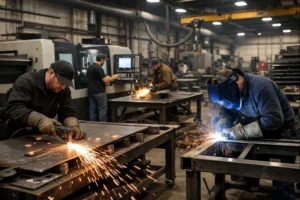
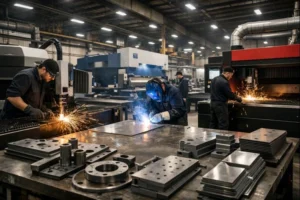
Choosing the right metal is one of the most important decisions in any fabrication project. The material you select influences strength, durability, appearance, fabrication efficiency, and overall cost. Whether you are manufacturing industrial components, structural assemblies, or custom fabricated parts, the success of the project depends heavily on your ability to choose right metal from the beginning.
Many fabrication problems such as cracking during bending, weak threads after metal tapping, or premature corrosion can often be traced back to poor material selection. Understanding how metals behave under stress, environmental exposure, and fabrication processes helps ensure reliable and long lasting results.
This guide explains how to choose right metal using practical considerations, real fabrication scenarios, and clear comparisons without unnecessary repetition.
Why Metal Selection Is Critical in Fabrication

Metal fabrication is not only about shaping materials but also about ensuring the finished product performs as intended in real world conditions. The wrong metal can compromise safety, increase maintenance costs, and shorten the life of the component.
When you choose right metal, you achieve:
Structural integrity that meets load requirements
Compatibility with bending, cutting, and metal tapping
Resistance to corrosion, heat, or wear
Improved production efficiency and reduced rework
Material selection influences every stage of fabrication, from machining to final installation. Making the right decision early prevents costly adjustments later.
Understanding Your Project Requirements
Before selecting any metal, it is essential to understand how the fabricated part will be used. Each project has unique functional demands that guide material choice.
Application and usage conditions
Some components are designed for heavy industrial use, while others serve decorative or lightweight functions. Understanding usage conditions helps narrow down suitable metals.
Consider whether the part will:
Support static or dynamic loads
Operate indoors or outdoors
Be exposed to moisture, chemicals, or heat
Require frequent assembly and disassembly
A metal suitable for indoor enclosures may fail quickly in outdoor or corrosive environments.
Performance expectations
Beyond immediate use, consider how the metal must perform over time. Durability, wear resistance, and fatigue strength all affect long term reliability.
Choosing the right metal ensures the fabricated part maintains its function without excessive maintenance or replacement.
Balancing Strength, Weight, and Durability
Strength alone does not determine the best metal choice. Many projects require a balance between strength, weight, and durability.
Strength considerations
High strength metals are essential for structural components and load bearing applications. Steel is often chosen for this reason because it maintains rigidity under stress and performs well during bending and metal tapping.
However, excessive strength may not always be necessary and can increase cost or weight.
Weight considerations
Weight reduction is critical in industries such as transportation and equipment manufacturing. Aluminum is often preferred when minimizing weight without sacrificing structural performance.
Lightweight metals also reduce handling and installation effort, improving overall efficiency.
Durability considerations
Durability includes resistance to corrosion, wear, and environmental damage. Metals exposed to moisture or chemicals must withstand corrosion without degrading.
Choosing the right balance among these factors helps you choose right metal that performs effectively throughout its lifecycle.
Common Metals Used in Fabrication Projects
Understanding commonly used metals makes material selection easier and more reliable. Each metal offers distinct benefits depending on the application.
Steel Strength and Versatility for Fabrication
Steel is the most commonly used metal in fabrication due to its strength, adaptability, and affordability.
Steel is ideal for projects that require:
High load bearing capacity
Strong threaded connections
Reliable bending performance
Cost effective material sourcing
Steel performs exceptionally well in metal tapping operations, producing strong threads that resist wear and loosening. It is widely used in structural frames, machinery components, brackets, and enclosures.
Because steel is available in various grades, it allows fabricators to match material strength to specific application needs without overengineering.
Stainless Steel Corrosion Resistance and Clean Finish
Stainless steel is selected when corrosion resistance and appearance are important factors.
This metal is commonly used in environments where exposure to moisture, chemicals, or hygiene standards is critical. Its natural resistance to rust makes it suitable for long term use in demanding conditions.
Stainless steel is often chosen for:
Food processing and medical equipment
Exterior architectural elements
Cleanroom and hygienic environments
While stainless steel requires careful handling during bending and metal tapping due to its hardness, it delivers exceptional durability and a professional finish.
Aluminum Lightweight and Fabrication Friendly
Aluminum is valued for its excellent strength to weight ratio and corrosion resistance.
It is particularly suitable for applications where weight reduction is essential without compromising structural performance. Aluminum bends easily and can be shaped with precision when proper techniques are used.
Common uses include:
Transportation and automotive components
Enclosures and panels
Lightweight structural assemblies
During metal tapping, aluminum requires controlled torque to prevent thread damage, but when done correctly, it provides reliable fastening solutions.
Copper Specialized Use for Conductivity and Design
Copper is primarily used in applications where electrical or thermal conductivity is required. It also offers a distinctive visual appeal that suits decorative fabrication.
Copper is best suited for:
Electrical components and bus bars
Heat transfer applications
Architectural and decorative elements
Due to its higher cost and lower structural strength, copper is rarely used for load bearing fabrication projects.
How Fabrication Processes Affect Metal Choice
Fabrication techniques play a major role in determining which metal is most suitable for a project. Not all metals respond the same way to bending, cutting, or threading.
Choosing Metals for Bending Operations
Bending is a common fabrication process used to shape metal without breaking it. The metal’s ductility and thickness influence how well it bends.
Metals like mild steel and aluminum bend smoothly when proper tooling and bend radii are used. Stainless steel can also be bent successfully, but it requires higher force and precise control to avoid cracking or springback.
Selecting the right metal for bending ensures clean edges, accurate angles, and consistent results.
Selecting Metals for Metal Tapping
Metal tapping creates internal threads that allow fasteners to secure components. The hardness and strength of the metal affect thread quality.
Steel produces strong and durable threads, making it ideal for parts that require repeated fastening. Aluminum can be tapped efficiently, but care must be taken to avoid stripping threads.
Choosing the right metal for tapping ensures secure assemblies and long term reliability.
Cost and Availability Considerations
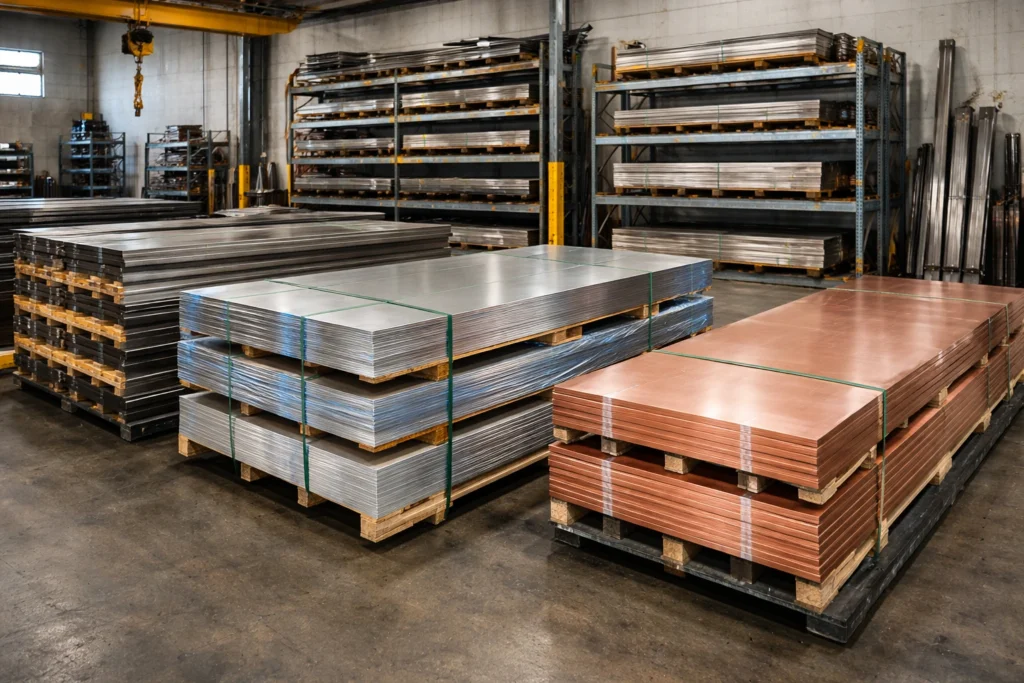
Material cost is an important factor, but it should always be evaluated alongside performance and fabrication efficiency.
Common metals such as steel and aluminum are widely available and cost effective, making them suitable for large scale production. Specialty metals may offer superior properties but can increase lead times and expenses.
When you choose right metal, consider:
Material price and supply availability
Fabrication time and tooling requirements
Long term maintenance and replacement costs
Balancing these factors leads to smarter and more sustainable fabrication decisions.
Practical Tips to Choose the Right Metal
Making the right material choice becomes easier with experience and planning.
Helpful tips include:
Match material properties to real usage conditions
Involve fabricators early in the design phase
Consider finishing processes before final selection
Avoid overengineering with unnecessary material strength
Consulting experienced fabrication professionals often leads to better material choices and smoother production.
Final Thoughts on How to Choose the Right Metal
Choosing the right metal is the foundation of successful fabrication. The metal you select affects strength, durability, appearance, and cost efficiency throughout the entire project lifecycle.
By understanding application requirements, evaluating fabrication methods like bending and metal tapping, and balancing cost with performance, you can confidently choose right metal for any fabrication project.
With proper material selection and skilled fabrication, you can produce high quality metal parts that perform reliably, last longer, and deliver maximum value.