In modern manufacturing and industrial projects, precision and durability are key. Custom fabricated metals allow engineers and designers to create components tailored to exact specifications, providing both strength and functionality that off-the-shelf metals often cannot match.
This blog will guide you through the types of custom fabricated metals, the tools used for precise cutting, and the step-by-step fabrication process. You’ll also discover practical applications, tips for choosing the right materials, and the advantages these metals offer for industries like construction, automotive, and machinery.
By the end of this guide, you’ll have a clear understanding of how to achieve high-quality results with custom metals, from initial design to finished product, and why these solutions are increasingly essential for modern projects.
Common Challenges in Metal Fabrication
Metal fabrication can be more complex than it seems. Here are the main challenges businesses face:
1. Cutting Complex Shapes Accurately
- Achieving precise cuts is difficult, especially for intricate designs.
- Using the right tools, like a metal cutter or sheet metal cutter, ensures accuracy.
2. Selecting the Right Material
- Steel, aluminum, and alloys each have unique properties.
- Choosing the wrong material can affect strength, durability, and cost.
- For example, aluminum is lightweight and corrosion-resistant but needs careful handling.
3. Maintaining Durability While Reducing Waste
- Improper techniques or low-quality tools can cause errors and material loss.
- Tools like a metal laser cutter or laser cutter for steel help reduce mistakes and improve efficiency.
Understanding these challenges helps businesses plan better, select the right tools, and achieve high-quality results in custom fabricated metal projects.
How Custom Fabricated Metals Solve These Problems
Custom fabricated metals address many challenges in manufacturing by offering precision, flexibility, and efficiency. Unlike standard metals, they can be cut and shaped to exact specifications, ensuring components fit perfectly and perform reliably.
Precision is achieved through tools like a metal laser cutter, which allows for intricate designs and complex shapes with minimal errors. For larger sheets or simpler cuts, a sheet metal cutter provides fast and accurate results.
Flexibility is another key advantage. Custom fabrication allows manufacturers to work with different metals—steel, aluminum, or alloys—tailoring the material to suit the project’s strength, weight, and durability requirements. This ensures each component meets specific industry standards.
Efficiency is improved through modern fabrication techniques, which reduce waste and speed up production. Some benefits include:
- Reduced material loss through precise cutting
- Faster turnaround for large or complex projects
- Consistent quality across all components
By combining the right tools and materials, custom fabricated metals help businesses overcome common fabrication challenges while producing high-quality, reliable components.
Essential Tools for Metal Fabrication
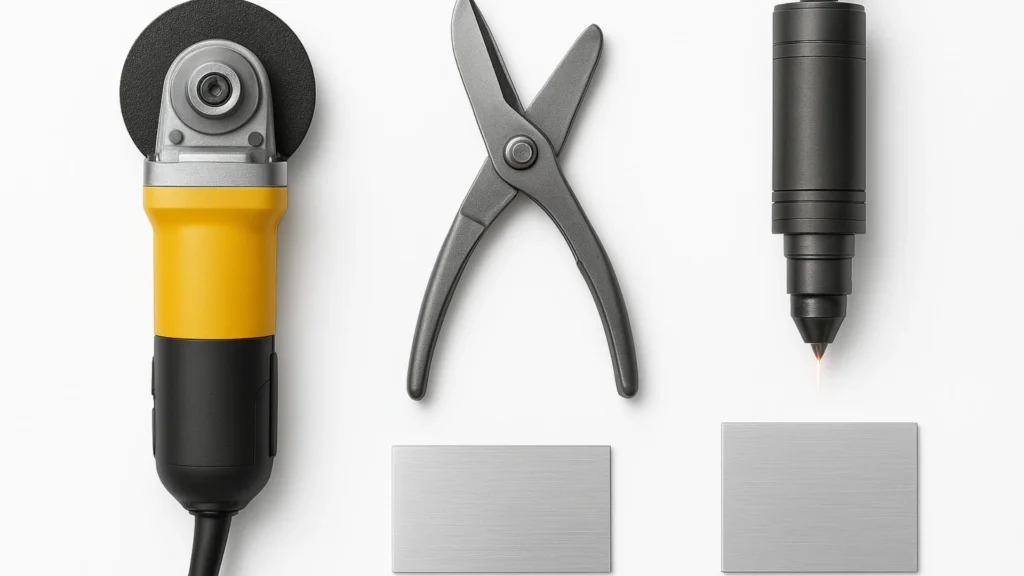
Successful metal fabrication relies on having the right tools. Using advanced equipment ensures precision, efficiency, and high-quality results. Here are the essential tools commonly used in custom metal projects:
1. Metal Cutter
A metal cutter is a versatile tool used for straight cuts on various metals, including steel and aluminum. It’s ideal for small to medium projects where accuracy is important but the design is relatively simple. Metal cutters are easy to handle, cost-effective, and help reduce material waste when used correctly.
2. Sheet Metal Cutter
For larger sheets or thin metal panels, a sheet metal cutter is essential. It allows precise cuts across wide surfaces and helps maintain uniform edges. This tool is particularly useful when you need to cut aluminum sheets efficiently without damaging the material. Sheet metal cutters save time and improve overall project workflow.
3. Metal Laser Cutter & Laser Cutter for Steel
For intricate designs, complex patterns, or thick metals, a metal laser cutter or laser cutter for steel is the best choice. These cutters use high-powered lasers to achieve precise, clean cuts with minimal errors. They are perfect for custom projects that require detailed shapes, smooth finishes, or high repeatability. Laser cutters also help reduce waste and speed up production.
Choosing the right tool depends on the material, project size, and complexity. By combining these tools effectively, manufacturers can achieve high precision, improved efficiency, and superior results in every custom fabricated metal project.
Step-by-Step Custom Fabrication Process
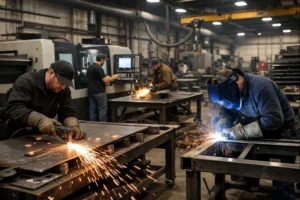
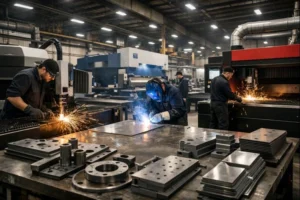
Creating high-quality custom fabricated metals starts with careful design planning. Engineers prepare detailed drawings or CAD models. These define dimensions, materials, and tolerances. Prototyping allows testing the design before full-scale production. Once finalized, metals are cut and shaped. A metal cutter or sheet metal cutter is used for straight cuts. A metal laser cutter or laser cutter for steel handles intricate shapes. This ensures accuracy and reduces material waste.
After cutting, pieces are welded and assembled. Finishing processes like grinding, polishing, or coating improve durability and appearance. The final step is quality inspection. Each component is checked to meet specifications for strength and consistency. Following this process produces precise, durable, and reliable custom fabricated metal products suitable for many industrial and commercial projects.
Real-World Applications of Custom Fabricated Metals
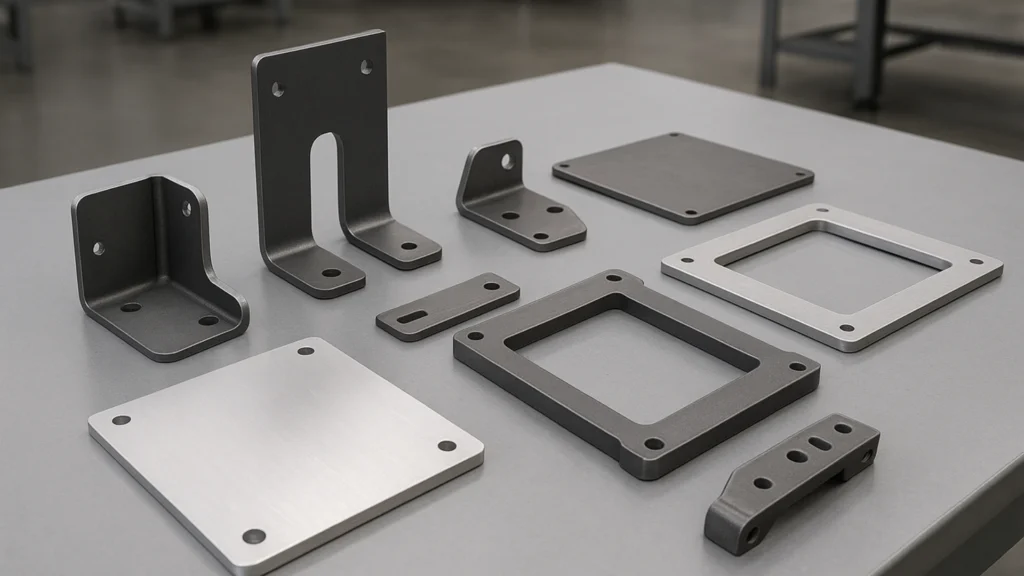
Custom fabricated metals are used across industries because they can be shaped, cut, and finished to match exact project requirements. In construction, they’re used for structural frames, support brackets, safety rails, and custom architectural features. Their strength and durability make them ideal for buildings, bridges, and heavy-duty equipment.
They also play a major role in manufacturing and automotive production. Precision-cut components created with tools like a metal laser cutter help build machinery parts, engine components, and custom panels. Industries working with aluminum or steel rely on fabrication to create lightweight yet strong parts, ensuring better performance and long-lasting reliability.
In sectors like HVAC, energy, and electronics, custom fabricated metals support ducts, enclosures, cabinets, and protective housings. Their flexibility allows businesses to create parts in any shape or size, reducing waste and improving overall efficiency. From large industrial projects to smaller custom designs, fabricated metals are essential for meeting modern engineering demands.
Tips to Choose the Right Metal and Tool
Choosing the right metal and cutting tool can significantly improve the quality and efficiency of your project. Here are simple, mobile-friendly tips to guide you:
1. Choosing Steel, Aluminum, or Alloys
Steel is best for heavy-duty, high-strength applications. Aluminum is lighter and corrosion-resistant, making it ideal for projects that require easy handling or weather resistance. Alloys work well when you need a balance of strength, weight, and flexibility. Always match the metal to your project’s load, environment, and performance needs.
2. Sheet Metal Cutter vs. Laser Cutter for Steel
A sheet metal cutter is perfect for quick, clean cuts on thin or large metal sheets. It’s cost-effective and easy to control. A laser cutter for steel is the better choice for complex shapes, tight tolerances, or thicker materials. It delivers higher precision with minimal waste.
3. Tips for Cutting Aluminum Efficiently
To cut aluminum smoothly, use sharp blades or a high-precision laser to prevent rough edges. Keep the material stable and reduce cutting speed slightly to avoid overheating. Proper lubrication can also help achieve cleaner finishes and reduce tool wear.
By selecting the right metal and the proper cutting method, you’ll get better performance, accuracy, and long-lasting results in any custom fabrication project.
Advantages of Custom Fabricated Metals
Custom fabricated metals offer several benefits that make them ideal for modern manufacturing and construction projects. They provide better accuracy, improved performance, and long-term value while keeping production efficient and cost-effective. Here are the key advantages:
High Precision & Customization
Every component can be shaped to exact measurements using tools like a metal laser cutter, ensuring a perfect fit for any project.
Durability & Strength
Whether it’s steel, aluminum, or alloys, custom fabrication enhances the material’s structural reliability for demanding applications.
Reduced Waste & Cost-Efficiency
Precise cutting and shaping help minimize material loss, lowering production costs and improving overall workflow.
Faster Production With Modern Tools
Advanced equipment, including sheet metal cutters and laser cutters, speeds up fabrication while maintaining consistent quality.
These advantages make custom fabricated metals a smarter choice for businesses needing accuracy, durability, and efficient production.
Here’s the updated Conclusion & Call to Action with your brand name Toledofab added naturally:
Conclusion
Custom fabricated metals deliver the precision, strength, and efficiency needed for modern projects. With the right tools and materials, you can achieve dependable, high-quality results every time.
Toledofab provides professional custom metal fabrication services using advanced cutting tools for steel, aluminum, and more. Contact us today to get a tailored solution for your project.