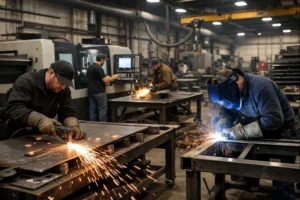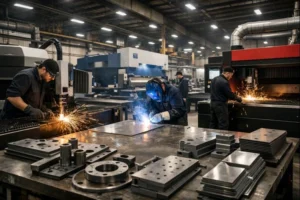
In today’s fast-moving industrial and commercial sectors, companies are constantly looking for manufacturing solutions that offer accuracy, durability, and flexibility. Custom metal fabrication has become the preferred choice for businesses that need metal components tailored to specific performance and design requirements. Instead of adjusting operations to fit standard parts, organizations can rely on custom solutions that are built to match their exact needs.
By partnering with experienced custom metal fabricators, businesses gain access to advanced fabrication techniques, skilled craftsmanship, and quality-controlled production processes. Whether the project involves structural assemblies, industrial equipment, or detailed sheet metal components, custom fabrication ensures consistent results that stand the test of time.
A Closer Look at Custom Metal Fabrication
Custom metal fabrication is the process of converting raw metal materials into finished products through a combination of cutting, forming, welding, machining, and finishing. Each project begins with a clear understanding of the application, followed by precise execution to ensure every component meets functional and dimensional requirements.
Unlike mass-produced metal parts, custom fabrication allows for:
Exact sizing and tolerances
Purpose-built strength and durability
Material selection based on application
Design flexibility for unique projects
Professional custom metal fabrication services are designed to support both simple and highly complex projects, offering scalability without compromising quality.
Why Custom Sheet Metal Fabrication Matters
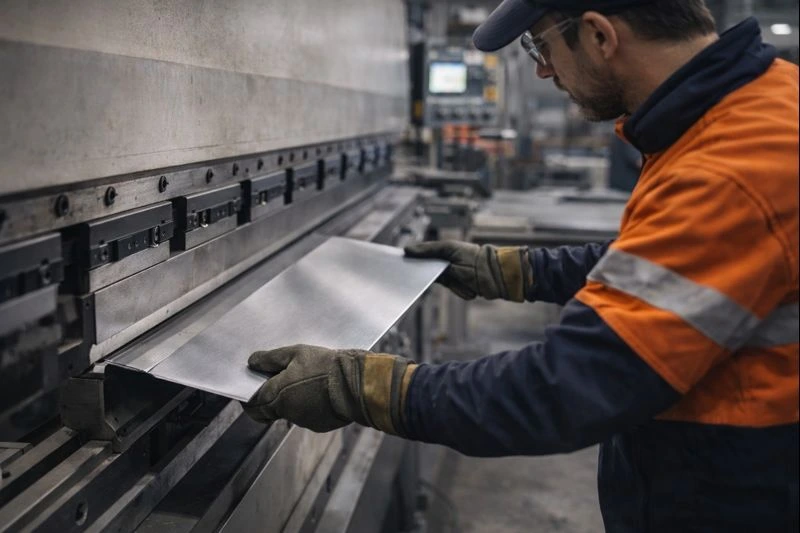
Custom sheet metal fabrication plays a critical role in industries that require lightweight yet strong components. Sheet metal is easy to shape, efficient to manufacture, and adaptable to a wide range of uses. This makes it an ideal solution for both structural and enclosure-based applications.
Experienced custom sheet metal fabricators understand how to work with different sheet thicknesses while maintaining consistency and structural integrity. Their expertise ensures that every bend, cut, and joint aligns perfectly with the design intent.
Key benefits of sheet metal custom fabrication include:
Faster production cycles
Reduced material waste
High repeatability for large runs
Cost-effective customization
Detailed Processes Used in Custom Metal Fabrication
Successful fabrication relies on a carefully managed process where each step builds upon the previous one. Skilled custom metal fabricators use a combination of modern technology and hands-on expertise to deliver accurate results.
Cutting and Preparation
Cutting is the first step in shaping raw metal into usable components. Precision cutting methods allow fabricators to maintain tight tolerances and clean edges, which are essential for accurate assembly later in the process.
Bending and Forming
Once cut, metal components are bent or formed into the required shapes. In custom sheet metal fabrication, this step requires careful planning to ensure uniform angles and consistent dimensions across multiple parts.
Welding and Structural Assembly
Welding brings individual components together into a complete structure. Proper welding techniques ensure strength, stability, and long-term performance, particularly in load-bearing applications.
Machining and Final Detailing
Machining adds functional details such as holes, threads, and mounting points. This step ensures that fabricated components integrate seamlessly with other systems or assemblies.
Surface Treatment and Finishing
Finishing improves both appearance and durability. Depending on the application, finishes may be selected to improve corrosion resistance, wear protection, or visual appeal.
Materials Commonly Used in Custom Metal Fabrication Services
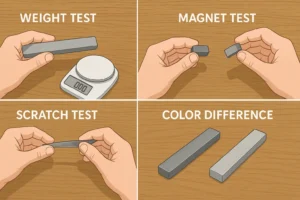
Material selection plays a crucial role in determining the performance, durability, and overall cost of fabricated components. Professional custom metal fabrication services help clients evaluate application requirements, environmental conditions, and load demands to choose the most suitable materials for long-term reliability and efficiency.
Commonly used metals include:
Steel, valued for its strength, durability, and versatility across a wide range of industrial and structural applications
Stainless steel, ideal for corrosion resistance, hygienic environments, and applications exposed to moisture or chemicals
Aluminum, lightweight, highly workable, and commonly used where reduced weight and corrosion resistance are important
Copper, frequently used for electrical and thermal applications due to its excellent conductivity
Brass, often chosen for decorative elements, precision components, and applications requiring good machinability
Each material offers specific advantages that support different operational requirements, making proper selection an essential part of successful custom metal fabrication.
Advantages of Working With Experienced Custom Metal Fabricators
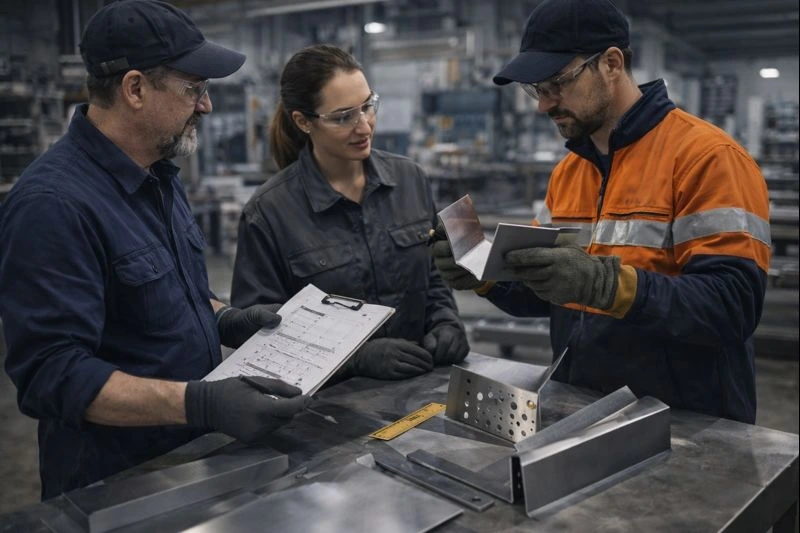
Choosing skilled custom metal fabricators ensures more than just accurate manufacturing. It provides long-term value by reducing errors, improving efficiency, and enhancing product performance.
One of the biggest advantages is the ability to customize designs for real-world conditions. Custom fabrication allows businesses to optimize strength, weight, and functionality rather than compromising with standard components.
Additional advantages include:
Better quality control throughout production
Reduced downtime due to precise fit and function
Lower maintenance costs over time
Improved overall product reliability
Industries That Depend on Custom Metal Fabrication
Custom metal fabrication supports a wide range of industries where precision and durability are critical.
In manufacturing and industrial environments, custom-fabricated parts are used for machinery frames, safety guards, and support structures. The construction and architectural sectors rely on custom metal fabrication for structural components, handrails, staircases, and decorative elements.
Other key industries include:
Automotive and transportation systems
Energy and power generation facilities
Aerospace and defense applications
Medical and healthcare equipment
Telecommunications and infrastructure
Across all these industries, custom sheet metal fabricators play an essential role in delivering dependable solutions.
Real-World Applications of Sheet Metal Custom Fabrication
Sheet metal custom fabrication is highly valued for its versatility, efficiency, and adaptability. It is used across multiple industries where precision and durability are essential. Custom-fabricated sheet metal components help businesses achieve reliable performance and consistent quality.
These components are commonly found in HVAC systems, electrical enclosures, control panels, cabinets, and industrial housings. They are also used in architectural applications such as panels, facades, and decorative structures.
The flexibility of sheet metal allows it to be easily cut, bent, and shaped to meet exact project specifications. Additionally, finishing options like powder coating or anodizing enhance durability and appearance.
Because of these properties, sheet metal custom fabrication is ideal for projects that require precise fit, long-lasting performance, and a professional, uniform look. It is trusted across industries including commercial, industrial, and infrastructure projects.
Choosing the Right Custom Metal Fabrication Partner
Selecting the right fabrication partner is essential to project success. Reputable custom metal fabricators offer technical expertise, reliable communication, and a clear understanding of project requirements.
When choosing a fabrication partner, consider:
Proven experience in similar projects
In-house fabrication and finishing capabilities
Strong quality control practices
Clear timelines and transparent communication
Ability to scale production as needs grow
A dependable partner ensures smooth coordination from design through final delivery.
The End-to-End Custom Metal Fabrication Process
The custom fabrication process typically begins with a detailed consultation to understand design requirements and application needs. This is followed by material selection and, in many cases, prototyping to validate the design.
Once approved, full fabrication begins, including cutting, forming, welding, and finishing. Each stage is carefully monitored to ensure quality and accuracy before final inspection and delivery.
This structured workflow ensures reliable outcomes and consistent performance.
Sustainability and Efficiency in Modern Metal Fabrication
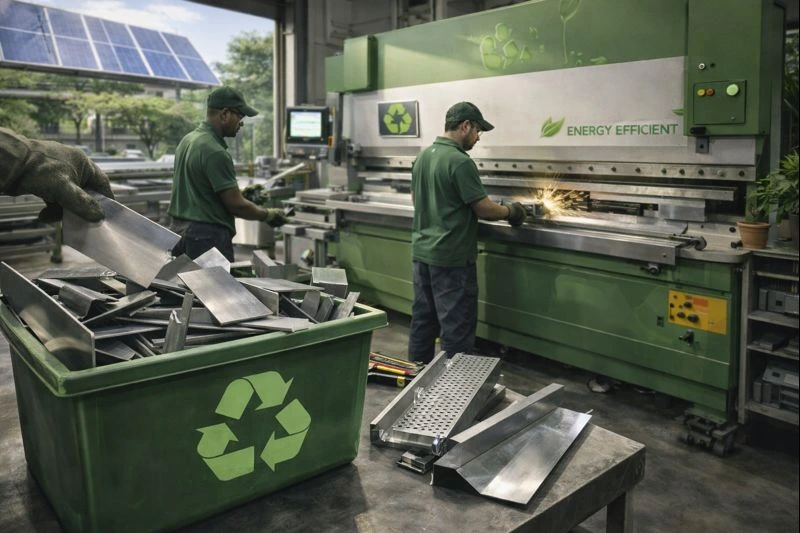
Today’s custom metal fabrication services place a strong emphasis on sustainability and efficient production practices. Fabricators focus on optimizing material usage, recycling excess metal, and using energy-efficient equipment to minimize waste and reduce environmental impact throughout the manufacturing process.
In addition, custom fabrication promotes sustainability by producing durable, high-quality components designed for long-term use. These long-lasting solutions help reduce the need for frequent replacements, lower material consumption over time, and support more responsible manufacturing across industries.
The Future of Custom Metal Fabrication
As technology continues to advance, custom metal fabrication is becoming more precise, efficient, and adaptable. Automation, advanced design software, and modern machinery allow custom sheet metal fabricators to produce accurate components with faster turnaround times while maintaining high quality standards. These improvements help streamline production and reduce errors across fabrication processes.
At the same time, these technological advancements support innovation across a wide range of industries. Fabricators are now able to handle more complex designs, work with diverse materials, and deliver consistent results for both small and large projects. As a result, custom metal fabrication continues to evolve while maintaining the reliability and performance it is known for.
Final Conclusion
Custom metal fabrication remains a vital solution for industries that demand accuracy, durability, and flexibility. By working with experienced custom metal fabricators and skilled custom sheet metal fabricators, businesses can create high-quality components that meet exact specifications and perform reliably in real-world conditions.
From industrial equipment and infrastructure to architectural and commercial applications, sheet metal custom fabrication and professional custom metal fabrication services provide the foundation for long-term success, efficiency, and innovation.