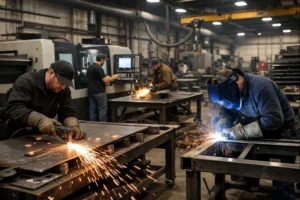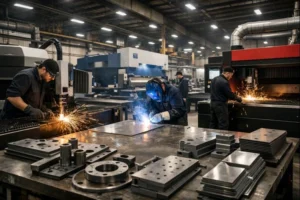
Metal fabrication services play a critical role in shaping modern industries by transforming raw metal materials into functional, durable, and high-performance components. From small custom parts to massive industrial structures, fabrication services support countless applications across construction, manufacturing, automotive, energy, and architectural sectors. As industries continue to demand higher precision, efficiency, and reliability, professional metal fabrication services have become more essential than ever.
At its core, metal fabrication is not just about cutting and welding metal—it is a comprehensive process that combines engineering expertise, advanced technology, and skilled craftsmanship. When executed correctly, fabrication ensures that metal components meet exact specifications, withstand heavy use, and deliver long-term performance. Businesses that invest in reliable fabrication services benefit from improved productivity, reduced downtime, and enhanced structural integrity across their projects.
What Are Metal Fabrication Services?
Metal fabrication services refer to the complete process of converting raw metal into finished products or components through a series of specialized techniques. These services include cutting, shaping, forming, welding, assembling, and finishing metal to meet specific design and functional requirements. Fabrication can be applied to a single prototype, a custom-designed component, or large-scale production runs for industrial use.
Professional fabrication services are guided by engineering drawings, technical specifications, and quality standards to ensure precision and consistency. Each stage of fabrication is carefully planned to maintain material strength and dimensional accuracy. Whether the project involves structural steel frameworks, machine parts, enclosures, or decorative metal elements, metal fabrication services provide dependable solutions tailored to a wide range of needs.
Core Fabrication Processes Used Today
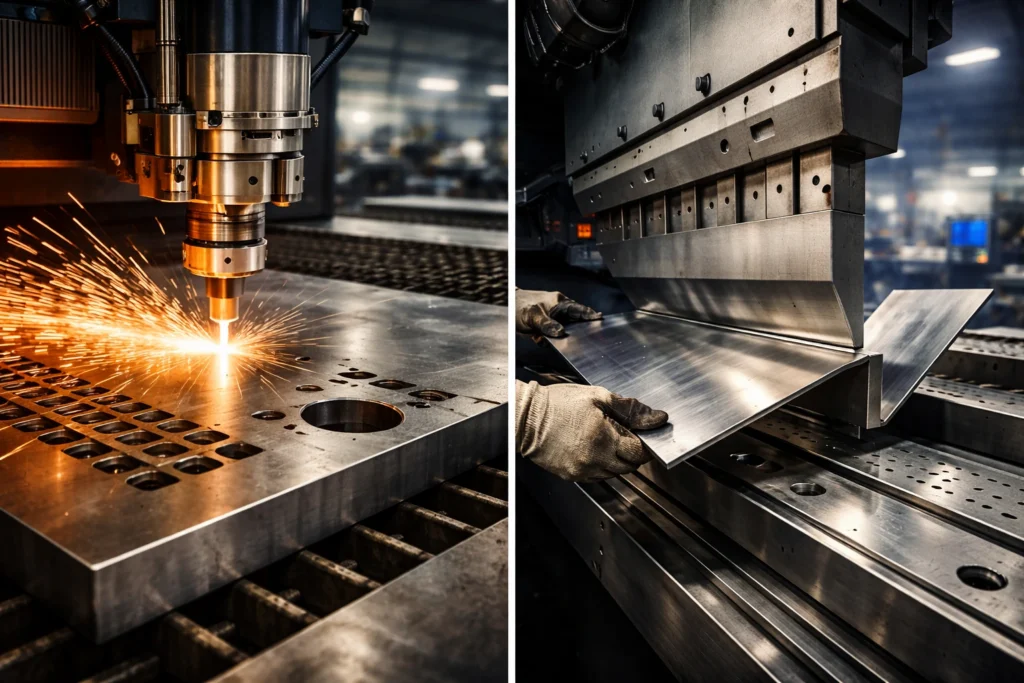
Modern fabrication relies on a combination of traditional techniques and advanced technologies to achieve accurate and efficient results. Each process plays a vital role in shaping metal into usable components.
Metal Cutting Techniques
Cutting is the first step in most fabrication projects. Advanced cutting methods allow fabricators to achieve clean edges and precise dimensions. Common cutting techniques include laser cutting for intricate designs, plasma cutting for thick metal sheets, and CNC cutting for automated accuracy. These methods improve efficiency while reducing material waste.
Shaping and Forming Methods
Once cut, metal is shaped using bending, rolling, stamping, or pressing techniques. CNC press brakes and rolling machines help achieve precise angles and curves without compromising material strength. This stage is essential in fabrication services that require exact geometries and tight tolerances.
Welding and Joining
Welding is a critical fabrication process used to join metal components into strong, permanent structures. Techniques such as MIG welding, TIG welding, and robotic welding ensure durability and consistency. Proper welding enhances load-bearing capacity and structural integrity in both custom and industrial fabrication projects.
Assembly and Finishing
The final stage of fabrication involves assembling components and applying surface finishes. Finishing processes such as powder coating, polishing, galvanizing, or painting improve appearance, corrosion resistance, and longevity. High-quality finishing is a key indicator of professional metal fabrication services.
Custom Metal Fabrication Solutions
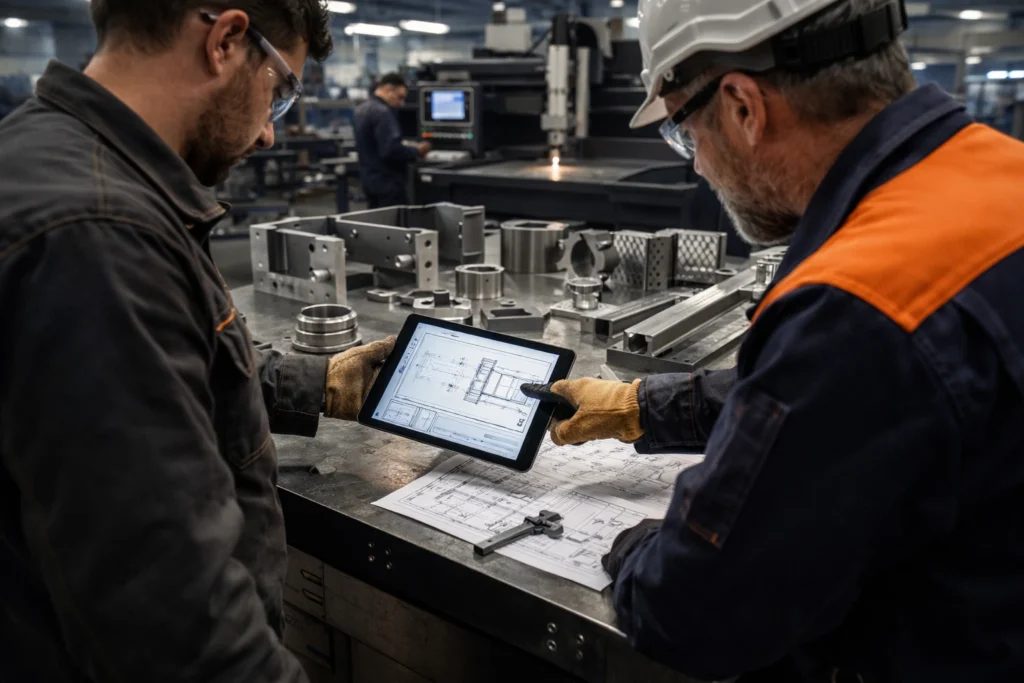
Custom metal fabrication services are ideal for projects that require unique designs, specialized dimensions, or one-of-a-kind components. Unlike mass-produced parts, custom fabrication focuses on meeting specific client requirements from concept to completion. This process begins with design consultation and CAD modeling, allowing clients to visualize the final product before production begins.
Custom fabrication services are commonly used for architectural elements, specialized machinery components, prototypes, and decorative metal features. Skilled fabricators collaborate closely with clients to ensure every detail is accurately executed. The result is a tailored solution that meets functional, aesthetic, and performance expectations while maintaining the highest quality standards.
Industrial-Grade Metal Fabrication Services
Industrial metal fabrication services are designed to support large-scale operations that require heavy-duty components and structures. These fabrication services focus on strength, durability, and consistency to withstand demanding environments and continuous use. Industrial fabrication is commonly used in factories, construction sites, power plants, and manufacturing facilities.
Projects may include structural frameworks, industrial piping systems, machinery components, platforms, and support structures. Each component is engineered to meet strict safety and performance standards. Industrial metal fabrication services play a vital role in ensuring operational efficiency, equipment reliability, and workplace safety across various industries.
Materials Commonly Used in Fabrication
Selecting the right material is essential to the success of any fabrication project. Different metals offer unique properties that suit specific applications.
Steel and Carbon Steel
Steel is one of the most widely used materials in metal fabrication services due to its strength, versatility, and cost-effectiveness. Carbon steel is commonly used for structural components, frames, and industrial equipment.
Aluminum Fabrication
Aluminum is lightweight, corrosion-resistant, and easy to form, making it ideal for applications that require strength without added weight. Aluminum fabrication services are widely used in automotive, aerospace, and architectural projects.
Stainless Steel
Stainless steel offers excellent corrosion resistance and durability, making it suitable for environments exposed to moisture, chemicals, or extreme temperatures. It is commonly used in food processing, medical equipment, and energy sectors.
Specialty Metals
Copper, brass, and other specialty metals are often used for decorative elements, electrical components, or specialized applications. Professional fabrication services ensure these materials are handled with precision to maintain their unique properties.
Industries That Rely on Metal Fabrication Services
Metal fabrication services support a wide range of industries, each with unique demands and standards.
Construction and Infrastructure
Fabrication services provide beams, columns, frames, and structural components essential for buildings, bridges, and infrastructure projects.
Manufacturing and Industrial Plants
Factories rely on fabricated machinery parts, enclosures, conveyors, and support structures to maintain efficient operations.
Automotive and Transportation
The automotive industry depends on fabrication for chassis components, brackets, panels, and safety-critical parts.
Energy and Power
Metal fabrication services support energy systems through the production of pipelines, platforms, turbine components, and support structures.
HVAC and Architectural Fabrication
Custom ductwork, enclosures, railings, and decorative metal features are fabricated to meet functional and aesthetic requirements.
Advantages of Professional Fabrication Services
Choosing professional metal fabrication services offers numerous benefits for businesses and projects of all sizes.
Precision and Accuracy
Advanced machinery and skilled technicians ensure every component meets exact specifications.
Cost Efficiency
Efficient fabrication processes reduce material waste and production time, leading to cost savings.
Durability and Performance
High-quality fabrication ensures components can withstand stress, load, and environmental conditions.
Scalability
Fabrication services can support both small custom projects and large-scale industrial production.
Role of Advanced Technology in Modern Fabrication
Technology has transformed the fabrication industry by improving speed, accuracy, and consistency.
CNC Machinery
CNC machines automate cutting, shaping, and drilling processes, ensuring repeatable precision across production runs.
Laser Cutting Systems
Laser cutting delivers clean edges and detailed designs, making it ideal for complex fabrication projects.
Robotic Welding
Robotic welding systems provide consistent, high-strength welds while reducing human error.
CAD and Digital Design
Computer-aided design allows fabricators to plan projects accurately, identify potential issues, and streamline production.
Quality Control and Safety in Fabrication
Quality control is a critical aspect of professional metal fabrication services. Inspections are conducted at every stage of fabrication to ensure compliance with design specifications and industry standards. Measurements, weld integrity checks, and material testing help maintain consistent quality.
Safety is equally important in fabrication environments. Professional fabrication services follow strict safety protocols to protect workers and ensure reliable outcomes. Compliance with industry regulations and certifications further demonstrates a commitment to quality and safety.
How to Choose the Right Metal Fabrication Partner
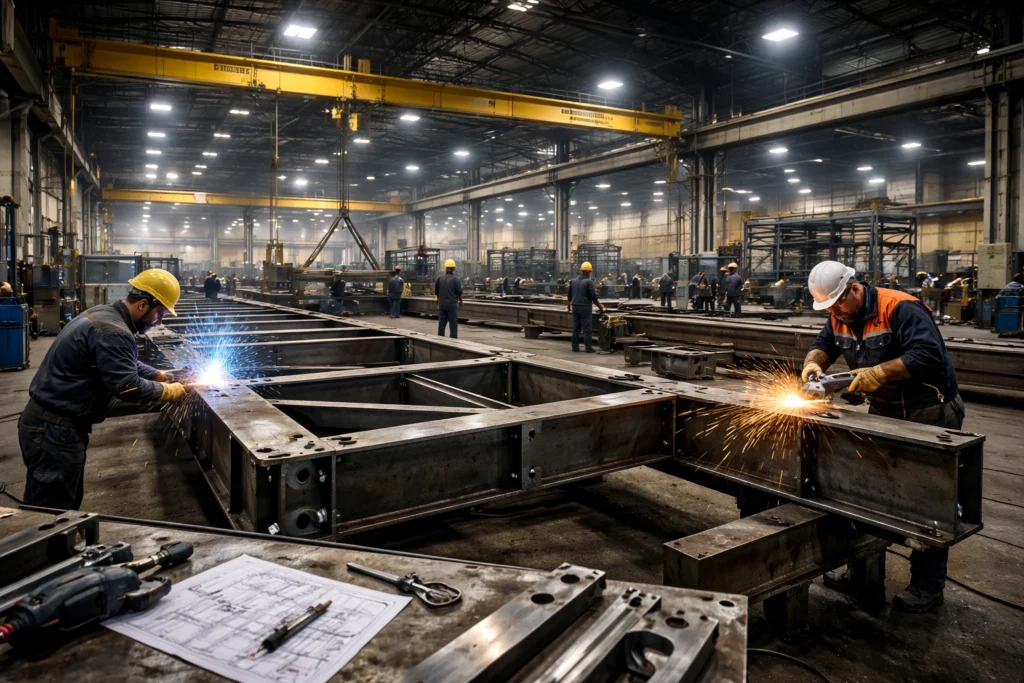
Selecting the right fabrication partner can significantly impact the success of your project. Look for a company with proven experience, modern equipment, and a comprehensive range of fabrication services. Strong communication, transparent processes, and reliable customer support are also essential factors.
A trusted metal fabrication services provider will guide you through each stage of the project, from design and material selection to final delivery. Their expertise ensures that your components meet performance expectations and industry standards.
Why Metal Fabrication Services Are a Long-Term Investment
Investing in professional metal fabrication services delivers long-term value. Well-fabricated components reduce maintenance needs, improve operational efficiency, and extend the lifespan of equipment and structures. High-quality fabrication also supports future scalability, allowing businesses to adapt and expand with confidence.
Conclusion: Reliable Metal Fabrication Services for Every Industry
Metal fabrication services are essential for transforming ideas and raw materials into durable, functional solutions. Whether you need custom fabrication for a specialized project or industrial-grade fabrication services for large-scale operations, professional fabrication delivers precision, strength, and reliability.
With skilled craftsmanship, advanced technology, and a commitment to quality, metal fabrication services continue to support industries worldwide. Choosing the right fabrication partner ensures your projects are built to perform, last, and meet the highest standards of excellence.